
Knowing what to keep in your car emergency kit is key for staying safe during unexpected situations. This guide from Dedicated Towing and Recovery highlights essential items, including basic tools, first aid supplies, and survival gear, to help you be ready on the road.
Preparing for the Unexpected
When you drive, things can go wrong without warning. Maybe your tire goes flat, or the engine stops working. Bad weather can also cause trouble. That’s why you need a car emergency kit. It helps you handle those tough moments better. Knowing what to keep in your car emergency kit means you have the right vehicle emergency supplies ready.
Why You Need a Roadside Emergency Kit
Every driver should have a roadside emergency kit. It keeps you safer when something bad happens. Here’s why having an emergency preparedness plan for drivers matters:
- Safety First: Basic supplies can keep you safe in an emergency.
- Quick Response: Everything is in one spot so you can act fast.
- Reduced Stress: Being ready makes problems less scary.
Knowing what to keep in your car emergency kit makes driving safer and gives you confidence. At Dedicated Towing and Recovery, we understand that problems happen when you least expect them. We offer dependable service all day, every day.
Essential Tools & Supplies for Roadside Emergencies
Check Your Air Pressure
You gotta keep your tires pumped right. It helps you drive safely and stops problems later. Put a tire pressure gauge in your car emergency kit. Check the air often, like before long drives or when weather changes. Tires low on air can mess with how your car handles and make flats more likely.
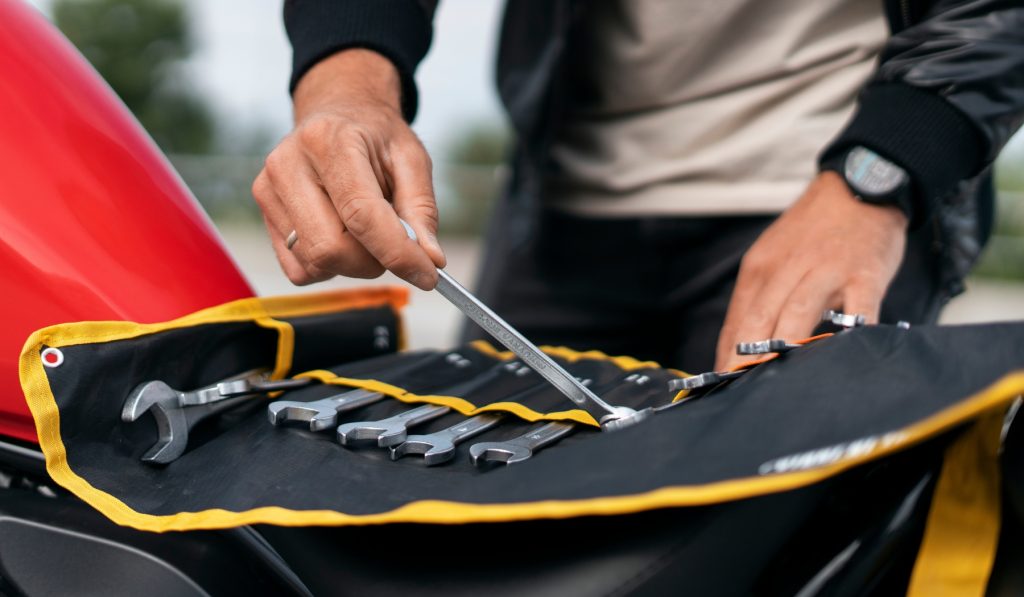
Your kit should also have basic car maintenance tools. Don’t forget a spare tire and stuff to fix punctured tires. Some kits have sealants that patch holes quickly till you get help. Always know where your spare lives, and make sure it’s pumped up too.
Jump-Start Your Car
Dead battery? No fun. But jumper cables or portable jump starters can fix that fast. Jumper cables hook your battery to another car’s power safely if you use them right. First, clip red clamps on positive terminals, then black ones on negative spots away from the battery.
Portable jump starters are neat—they hold power by themselves. You don’t need another car nearby with those. Some even charge your phone when you’re stuck waiting—super helpful if you need to call but no signal shows.
Carry jumper cables or a portable jump starter in your emergency kit so you’re ready if the battery dies and can stay in touch.
Repairing a Flat
Flats happen fast and can stop you dead in your tracks. Have roadside repair tools ready just in case. Tire repair kits include things like plug strips or Fix-a-Flat sealant for quick temporary fixes. These let you drive a bit to safety.
For bigger fixes, bring a lug wrench and hydraulic jack too. Use the lug wrench to loosen nuts on wheels—it must fit your car’s wheels right before trouble hits.
With these tools, you don’t have to wait forever for help—you can act fast and safe.
Raising the Car
Hydraulic bottle jacks lift cars strong but need care when used. Put the jack on safe jacking points under your car—check the owner’s manual if you don’t know where those are.
Use firm ground so the jack won’t slip while raising the car slowly. Watch that it stays balanced as it goes up. Never go under a lifted car without extra safety stands; this keeps everyone safe during roadside fixes.
Hydraulic jacks fit small but pack power for flat repairs or other jobs without waiting on help.
Using a Fire Extinguisher Effectively
A fire extinguisher is one piece of vehicle safety equipment every car should have. Fires can start fast, but a fire extinguisher for car use can stop small flames before they spread.
Here’s how to use it:
- Pull the pin.
- Aim at the base of the fire.
- Squeeze the handle.
- Sweep side to side till the fire stops.
Check your extinguisher often to make sure it works and is easy to reach. Car fire safety depends on quick action with the right tools like this one.
Using Reflective Triangles and Flashlights
If you break down, you need to warn other drivers fast. Reflective warning triangles go behind your vehicle to tell others there’s danger ahead.
Place reflective triangles about 10 feet apart. This makes them easier to see in daylight or dark. Use them with a flashlight for vehicle emergencies too. Make sure the flashlight has fresh batteries so it shines bright.
Emergency signaling devices like flashlights help you stay visible when fixing your car or waiting for help in low light. Keep both reflective triangles and flashlights handy inside your car emergency kit.
Keep Your Phone Charged
A car emergency kit should always have a portable phone charger or power bank. When your car breaks down, your phone helps you talk to emergency communication devices or call for help. It also shows maps so you don’t get lost.
Portable battery banks fit easily in your glove box or center console. Pick one that can charge your phone more than once. Some chargers fill up your phone fast, which helps if you don’t have much time.
Check your charger often. Make sure it’s full and ready. If not, you might be stuck with no power when you really need it.
- Keep a portable phone charger handy
- Choose a power bank with good capacity
- Look for fast-charging models
- Charge the power bank regularly
The Importance of a Flashlight (LED Recommended)
You want a flashlight and batteries in your vehicle safety tools. LED flashlights work best because they shine bright but use less power. They last longer than old bulbs too. At night, emergency lighting helps you see what’s wrong with your car.
You can fix things or change tires safely. It also tells others you need help. Keep spare batteries close but separate so you can swap them fast when needed. This simple tool makes being on the road safer.
- Use an LED flashlight for better light
- Store extra batteries separately
- Use flashlight for vehicle emergencies
- Keep it ready for emergency lighting
Emergency Food and Water
Emergency food and water are smart to have if help takes a long time to come. Bottled water for car trips stops dehydration, especially if it’s hot outside. Bring snacks like nuts, granola bars, or dried fruit. They give energy and don’t need fridge space. These foods keep hunger away and help you stay alert while waiting.
Don’t forget to check dates on food often. Old snacks don’t work well when you need them most.
- Pack bottled water for car emergencies
- Choose non-perishable snacks
- Replace food regularly before it expires
- Prevent dehydration with water supply
Blankets and Other Weather Protection
Emergency blankets are key cold weather driving essentials in any winter emergency kit. They trap heat better than regular blankets without being heavy. Hand warmers add warmth just where you need it—your hands. They help if it gets very cold while waiting outside or inside the car.
Layering up protects you from cold air. It lowers chances of hypothermia if weather turns bad during long waits on the road.
- Carry emergency blankets in your kit
- Use hand warmers to keep hands warm
- Add layers to protect from cold
- Include winter emergency kit items
If you get stuck on the road in Colorado, remember these basics for safe waiting times and quick calls for help. Keep your car emergency kit ready with these items so you’re not caught off guard!
Refill Your Coolant
Your car needs coolant to stop it from getting too hot. Coolant, also called antifreeze, cools the engine by soaking up heat. It also stops water inside from freezing when it’s cold outside. If your coolant is low, your engine can get damaged fast.
Check the coolant level often as part of regular vehicle maintenance. Use the mix your car maker says—usually half antifreeze and half water. Let the engine cool down before opening the radiator cap or you might get burned.
Adding automotive fluids like coolant keeps your car running well on Colorado roads no matter the season.
First Aid Kit Essentials
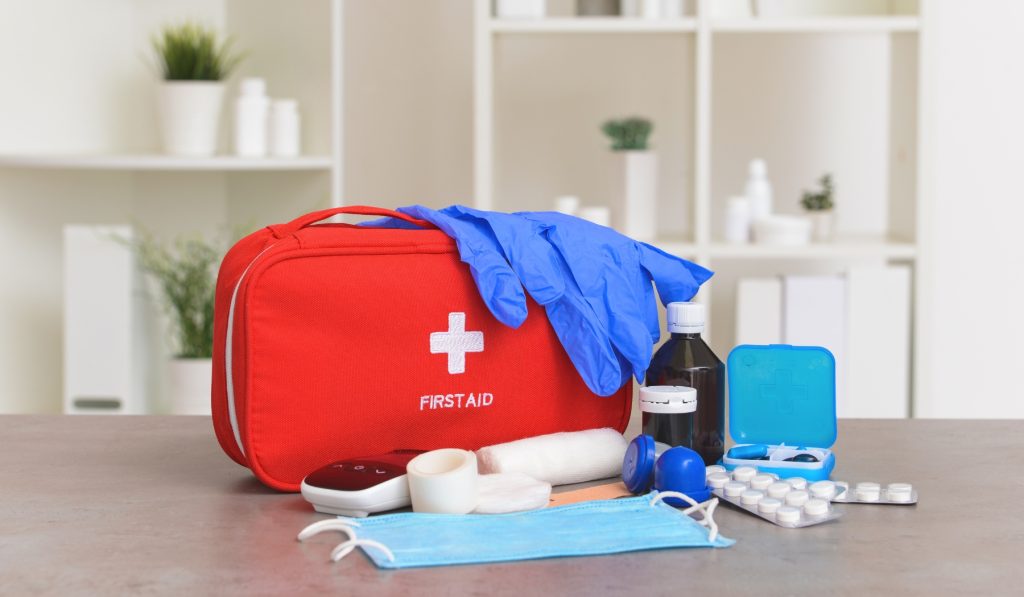
A first aid kit for car trips helps you treat small injuries right away. It should have basic medical supplies like bandages, antiseptic wipes, tape, scissors, gloves, and pain medicine.
These supplies let you handle cuts, scrapes, burns, or bruises until a doctor arrives. Check your kit regularly so nothing is expired or missing. This way you’re ready when something happens on the road.
Driving in Colorado means facing different kinds of weather and road stuff. That’s why having hygiene things like hand cleaning wipes matters just as much as safety gear like fire extinguishers and reflective triangles in your car emergency kit.
If something goes wrong and you can’t fix it yourself—call Dedicated Towing and Recovery for quick help anytime.
Regular Oil Checks and Maintenance
Engine oil keeps parts moving smoothly inside your engine. It stops them from rubbing and wearing out. When oil is low or dirty, your engine can break down.
Use a dipstick to check oil levels regularly. Keep basic car maintenance tools handy for quick checks. If oil looks dark or low, add more with the right type from your owner’s manual or change it soon.
Checking oil often helps avoid car trouble during trips or bad weather.
Scrape or Brush Your Windows
In winter, ice and snow cover windows fast. You need an ice scraper to clear frozen buildup safely without scratching glass. A good brush helps sweep away loose snow quickly. These cold weather driving essentials help you see better after storms or frosty mornings. Keep these tools close so you’re ready when bad weather hits unexpectedly.
A Bag for All This Gear
An organized emergency kit saves time when you need stuff fast on the road. Pick a lightweight but tough container that holds all essential car tools like coolant bottles, oil cans, ice scrapers, and brushes.
Look for waterproof bags with compartments made for car supplies; this foolproof setup stops spills and keeps items neat.
Having everything in one place lowers stress and makes roadside fixes easier around Colorado.
Buy a Premade Emergency Kit
If putting together gear feels hard, try buying a premade emergency kit made for roadside help. These kits come reliable and dependable with stuff for common car troubles—fluid refills and winter tools included—all packed compactly to grab anytime.
Premade kits give peace of mind because you don’t have to guess what to pack. They’re good if you want solid readiness but not DIY hassle.
Call Us for Reliable Roadside Assistance in Fort Collins, CO!
At Dedicated Towing and Recovery, expect prompt, compassionate roadside assistance in Colorado. Our skilled technicians provide quick responses with clear instructions. Trust our 24/7 towing service to minimize disruption after accidents. We offer dependable vehicle recovery service with a friendly face during stressful situations. Call us anytime for professional help that gives you peace of mind on Colorado roads.
You might need us when:
- Your tire can’t be fixed on the spot
- The engine won’t start anymore
- You’ve been in an accident and need vehicle recovery gear
Having accident preparedness helps, but some things require a pro’s touch.
If you’re stuck anytime in Colorado, call for 24/7 emergency help that arrives fast and keeps you safe. Dedicated Towing and Recovery works all day and night. We act reliable and professional every time. Our team is quick, helpful, and shows they care about how stressful things get.