
Winter in Colorado is beautiful—but it can also be harsh and unpredictable, especially when you’re on the road. From sudden snowstorms in the mountains to icy highways in the city, driving during Colorado winters requires extra care—and so does your vehicle.
Preparing your car before the cold truly sets in isn’t just a smart move—it’s essential for your safety and peace of mind. Whether you’re a daily commuter, weekend explorer, or planning long drives through snowy terrain, making sure your car is winter-ready can prevent breakdowns, save money, and keep you and your passengers safe.
In this guide, we’ll share expert tips on how to winterize your vehicle properly, so you’re ready for whatever Colorado weather throws your way.
Inspect and Service Critical Vehicle Systems
You should check important parts of your car before winter. A good idea is to get a professional to do a thorough inspection. They can follow a vehicle inspection checklist winter shops use. This way, you know your car can handle the cold.
Checking Battery Health and Maintenance
Car batteries don’t like the cold much. They lose power quickly when it’s freezing. To avoid trouble, do a winter battery check:
- Test battery health at a shop.
- Look for corrosion or loose cables on the battery.
- Keep jumper cables ready just in case you need a jump start.
Doing this stops battery problems that happen in cold weather.
Ensuring Proper Antifreeze and Fluid Levels
Antifreeze keeps your engine from freezing up. Here’s what you do:
- Check antifreeze levels often.
- Make sure they match what your Hyundai needs.
- Swap old fluids for automotive winter fluids that work well in cold.
Good fluid levels keep your engine running smooth during chilly days.
Inspecting Brakes and Tires for Winter Readiness
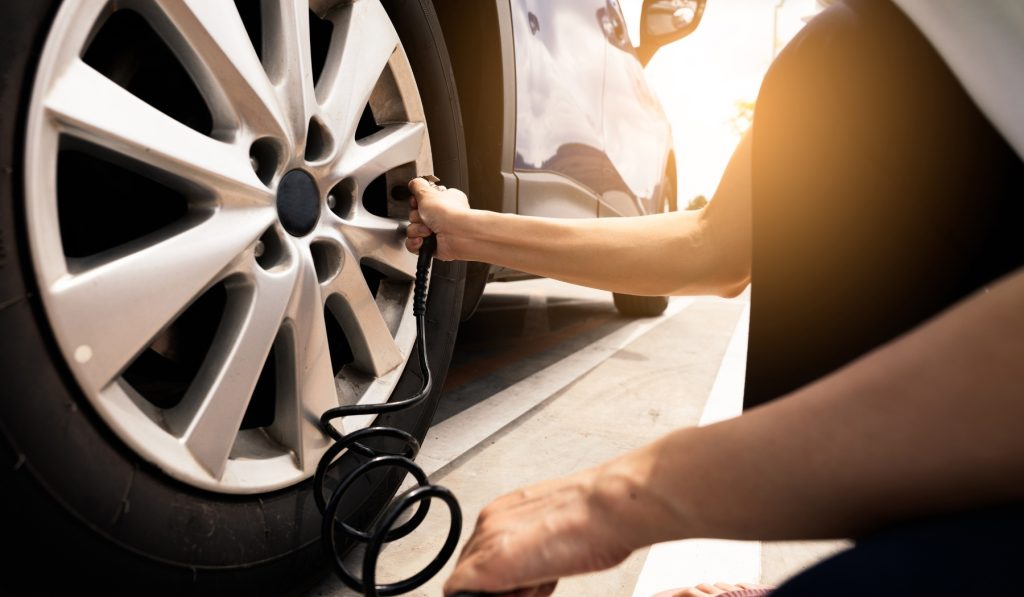
Brakes and tires help you stop and drive safely on snow:
- Check brake pads for wear using a brake inspection winter guide.
- Make sure brake fluid is full; change if dirty.
- Watch tire pressure since cold air makes it drop.
- Use tires made for snow or all-season ones with good tread.
Learning safe braking techniques on snow helps avoid slips.
Following these tips will help protect your car from cold temperature effects. You’ll be better set for Colorado’s rough winters. If things go wrong, Dedicated Towing and Recovery can help fast when you need us!
Protecting Your Vehicle’s Exterior
Winter in Colorado can be tough on your car. Snow, ice, and road salt can wear down your vehicle’s exterior fast. To protect your paint and metal parts, put on a winter coat made for cars before the cold hits. This coat helps stop road salt corrosion and keeps rust from forming.
Washing your car often in winter helps remove de-icing chemicals that cause vehicle corrosion. Don’t forget the undercarriage—it collects salt without you seeing it. You can also spray on anti-corrosion treatments to fight rust better.
If you drive on icy roads a lot, think about adding anti-slip features like textured running boards or tire chains. These improve safety and keep corrosive stuff from touching delicate parts.
Protecting Paint and Undercarriage from Corrosion
Road salt causes a lot of damage in winter. It lowers water’s freezing point but speeds up metal rust when it sticks to your car’s frame or paint.
Here’s what to do:
- Rinse off road salt right after driving through salted streets.
- Use cleaners made for removing road salt.
- Apply rust inhibitors designed for vehicles.
Doing these things helps control corrosion well. It keeps both the outside panels and hidden undercarriage parts safe longer.
Maintaining Visibility with Wiper Blades and Windshield Care
Seeing clearly matters when driving through snow. Swap regular wiper blades for winter wiper blades—they stop ice from building up and clear snow better. Always use winter windshield washer fluid because it won’t freeze like normal fluid does.
Check your windshield for cracks before it gets colder. Small chips grow bigger fast when freezing and thawing happens, which can lead to expensive auto glass replacement later. Fix cracks early with windshield crack repair to keep things safe all season.
Checking Exterior Lighting for Optimal Performance
Winter days are short, so good exterior lights are key to staying safe. Check headlights, brake lights, turn signals, and tail lights often during winter prep. Cold weather can make bulbs act weird sometimes. Some cars have an auto heating system check that tests lights automatically—try this if yours does.
Clean light lenses too! Dirt plus frost makes light weaker at night or during storms.
Equipping Your Car with a Winter Safety Kit
Getting your car ready for Colorado’s cold winter means more than checking tires and fluids. You need a winter safety kit too. This kit helps with winter emergency preparedness. It holds supplies that keep you safe when things get rough outside.
Assembling Essential Emergency Supplies
A good emergency car kit is key for safe winter travel. It has stuff to keep you warm, safe, and ready if you get stuck in snow or ice.
- Jump Starter – Cold weather drains car batteries fast. Bring a jump starter or jumper cables. They help start your battery if it dies suddenly. You won’t wait hours in the cold this way.
- First-Aid Kit – A small first aid kit holds bandages, antiseptic wipes, and pain meds. If you get a small injury during an accident or while digging out snow, these supplies help until help arrives.
- Flashlight and Extra Batteries – At night or in storms, light drops fast. A strong flashlight plus extra batteries lets you see damage or signal for help safely around your car.
- Warm Blankets – When it’s freezing outside and you are stuck, hypothermia can happen fast. Keep some warm blankets in your car to stay cozy while waiting.
- Snacks and Water – Pack snacks like granola bars and water bottles. They give energy if you wait too long for help. Water also keeps you from feeling tired in dry winter air.
- Shovel and Ice Scraper – Snow can trap cars on Colorado roads. A tough shovel helps dig tires out of snowbanks fast. An ice scraper clears frost from windows so you can see well before driving again.
- Tire Chains (if required) – Some mountain roads require snow chains when snow hits hard. Learn local rules about snow tire chains installation to stay safe and follow laws when needed.
Having this winter survival kit made for Colorado’s cold weather helps you feel ready all season long. It lowers risks from breakdowns or accidents on icy streets.
Mastering Safe Winter Driving Techniques
Driving in Colorado’s winter means more than just having the right car. You gotta change how you drive when snow and ice hit the roads. Being cautious helps keep you safe. Make slow, gradual movements. If your car starts to skid, try to stay calm—that’s super important. These small things can stop accidents before they happen.
Lots of new cars have traction control and stability systems to help with winter traction aids. These features stop wheels from spinning too much on slippery ice or snow. All-wheel drive (AWD) is great in Colorado winters because it spreads power evenly to all wheels. That makes driving on mountain roads easier.
Anti-slip vehicle features watch for when your tires lose grip. Then they cut engine power or brake certain wheels to help you stay steady. But don’t think these tech tricks replace careful driving—always pay attention when you’re behind the wheel.
Adjusting Driving Habits for Snow and Ice
When snow and ice cover the roads, you need to change how you drive:
- Slower Speeds: Drive slower so you have time to react to icy patches or sudden stops.
- Increased Following Distance: Keep a bigger gap between your car and the one ahead. Double what you use on dry roads works well.
- Gentle Acceleration and Braking: Push the gas pedal softly to avoid tire spin. Brake gently using safe braking techniques made for snow; slamming brakes can make you skid.
- Avoiding Sudden Movements: Turn the steering wheel, speed up, or slow down slowly. Quick moves can cause loss of control.
Doing these things helps your tires hold better and keeps your car more stable.
Navigating Colorado’s Mountain Passes and Steep Inclines
Driving through Colorado’s mountain passes during winter is tough. Steep hills plus snow or freezing rain make it tricky.
Here’s what you should do:
- Get your vehicle ready before heading out.
- Use AWD if your car has it for better grip.
- Climb hills slowly without quick gear changes.
- When going downhill, pick a low gear to keep control and avoid too much brake use.
Mountain driving needs extra care. Check road conditions first, since weather can change fast and mess with visibility and road grip.
Recognizing and Responding to Black Ice

Black ice can be really dangerous on Colorado roads in winter. It forms when moisture freezes on the road, making a thin, clear layer that looks like wet pavement. Drivers often don’t see it until their car starts to skid.
Here’s how to stay safe:
- Drive slow and don’t make sudden moves.
- Cold temps raise the chance of black ice, especially early morning or late night.
- Use gentle braking. Don’t slam brakes; press steady or pump if your car lacks ABS.
- If you skid, steer gently where you want to go. Don’t overdo it.
Know that bridges and shaded spots freeze first. Assume they might have ice even if the road looks fine. These winter driving hazards call for care so you avoid crashes on icy roads.
Handling Snow Ruts and Slippery Conditions
Snow ruts form when cars keep driving over packed snow or ice, making grooves in the road. These ruts hurt tire grip and make steering harder. Slipping chances go up too.
To drive safer here:
- Check tires for good tread depth so they grip better in snow.
- Use winter traction aids like chains or studded tires if allowed.
- Drive carefully with smooth gas and brake use to keep control.
- Cars with traction control or anti-slip tech help but don’t replace safe driving.
Understanding how snow ruts affect your car lets you slow down and steer better on snowy Colorado roads.
Utilizing Traffic Cams and Road Condition Resources
Knowing current road conditions helps a lot in Colorado winters. Use CO trip traffic cams online to see live highway views statewide. This shows icy spots or heavy snow before you leave.
Also:
- Watch local news for up-to-date winter weather forecasts near you.
- Check official transport sites often for alerts about closures or bad roads.
Keep an eye on these tools daily. They let you plan trips around tough winter weather in Colorado.
Getting your car ready isn’t just about fixes—it means knowing how to handle real hazards safely too. If trouble hits anyway, call Dedicated Towing and Recovery for fast help anywhere in Colorado’s roughest seasons.
Need help this winter? Contact Dedicated Towing and Recovery anytime for support you can trust!
Contacting Us for Roadside Emergencies!
Winter in Colorado can bring sudden car troubles. When you face a winter emergency, you need a towing service that won’t let you down. Dedicated Towing and Recovery offers reliable towing services in Fort Collins and nearby areas anytime you call—day or night. Our skilled technicians come fast and get the job done right.
When you’re stuck in snow or your car breaks down, it helps to get quick and caring help. Our trusted team knows how tough winter driving is. We respond fast and treat you with respect, making sure you feel safe while waiting.
Here’s what you can expect:
- 24/7 towing service ready for any emergency
- Prompt, skilled technicians on the scene
- Dependable assistance when weather turns rough
- Empathetic help during stressful roadside moments
Don’t wait too long to call. Early contact means quicker help from people who really understand winter problems.