
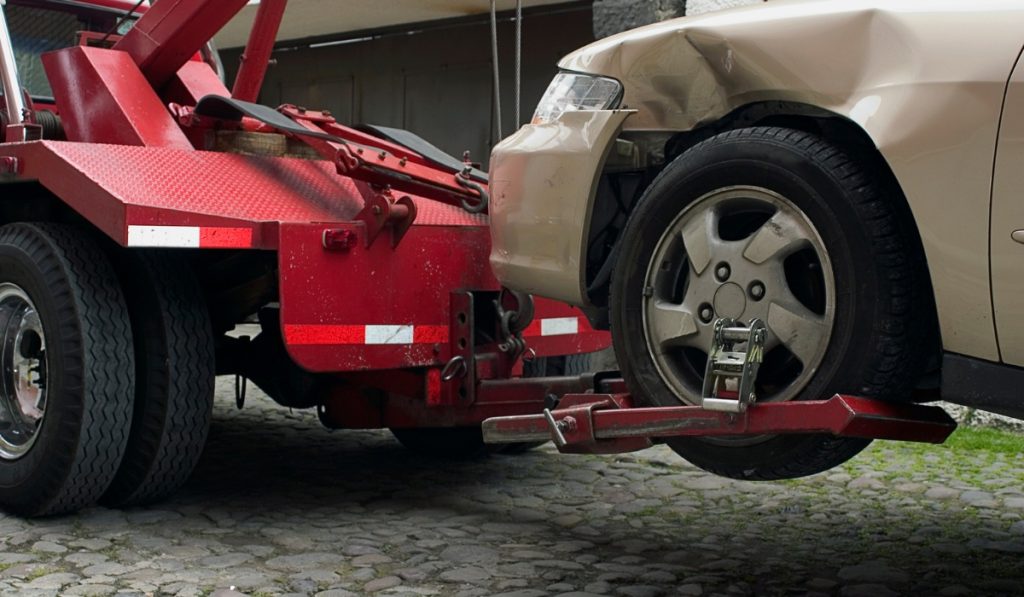
Local towing handles short trips in town and is usually faster and cheaper, while long-distance towing is planned transport across cities or states with higher rates based on miles, routing, and secure tie-downs.
In local towing vs long distance towing, choose local for breakdowns nearby and long distance for relocations or specialty vehicles.
Key differences:
- Distance range — Local towing typically covers 0–25 miles, while long-distance towing begins at 50+ miles; trips between 25 and 50 miles are often classified as regional towing.
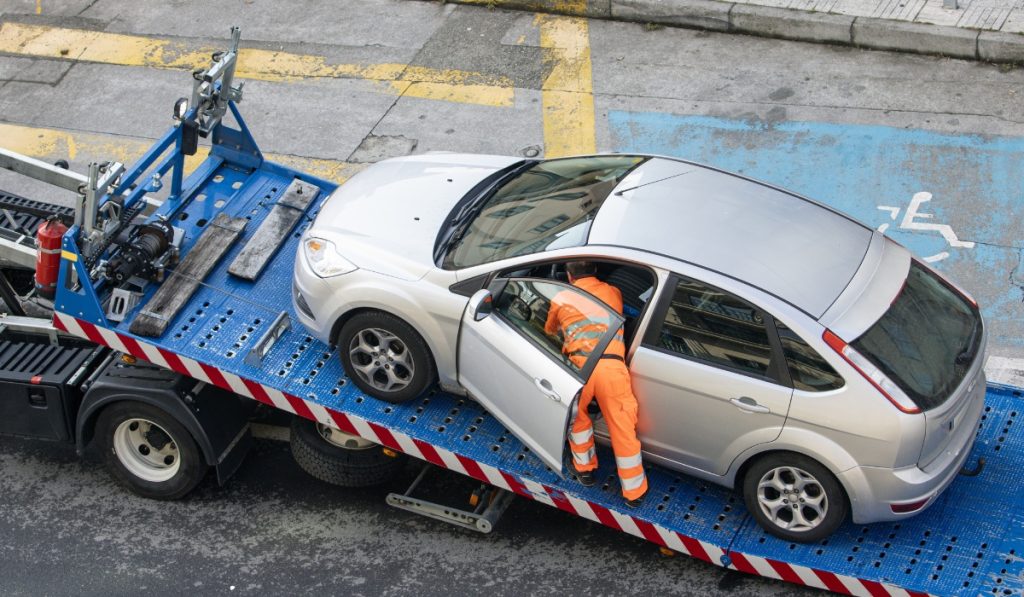
- Typical equipment — Local towing commonly uses wheel-lift or light-duty tow trucks, whereas long distance towing relies on flatbeds or car haulers for safer, full-vehicle support.
- Typical use cases — Local towing addresses roadside breakdowns, accident recovery, and short repairs; long distance towing supports vehicle relocations, cross-state deliveries, and classic car transport.
- Primary cost drivers — Local towing costs are based on a base fee plus short-mileage rates, while long-distance towing is priced per mile, with added factors like route complexity, fuel, and driver time.
Dedicated Towing and Recovery has provided licensed and insured towing services across Northern Colorado for over a decade. We serve Fort Collins, Laporte, Wellington and Loveland with 24/7 responses.
When to Choose Local Towing vs Long-Distance Towing
Dedicated Towing and Recovery is a trusted towing company that helps customers understand how towing distance affects safety, cost, and the right towing method for their needs. Choosing us means you get reliable expertise and clear guidance for every towing situation.
Understanding local towing vs long distance towing depends on how far your vehicle needs to go and why the distance matters. People in Fort Collins and nearby areas face all kinds of towing problems—from a quick jump start down the street to moving a car across state lines. Knowing when to call for local towing and when you need long-distance towing isn’t just about price. It’s about getting your vehicle where it needs to be safely and without extra stress.
Understanding Local Towing
Local towing usually covers short distances within the same city or nearby towns. Common reasons include breakdowns, accidents, or moving a car from your driveway to a repair shop. Because the distance is short, local jobs are handled quickly, often with light-duty tow trucks or a utility trailer. Most local towing customers just want a fast, affordable solution without long waits or complicated plans.
Choosing the right tow vehicle and knowing your towing capacity is still important, even for short trips. If you’ve never thought about tongue weight or tow vehicle compatibility, you’re not alone. Our dispatchers hear these questions every day. The best way is to call our expert who can recommend the safest way to move your car based on its size and condition.
The benefits of local towing are lower cost, faster response, and less risk to your car.
Long-Distance Towing Explained
Long distance towing means moving vehicles over 50 miles or across state lines, which is why many drivers rely on our professional long-distance towing services for safe transport. You need this service for interstate moves, classic car deliveries, or when your car breaks down far from home. Long hauls need special equipment, like flatbed trucks, to handle risks such as engine overheating and transmission temperature spikes that can happen on long trips.
Our professionals are trained to handle the challenges of long-haul towing. Before departure, we conduct a full inspection of the tow vehicle and trailer system, including hitch integrity, tire condition, and lighting. For customer vehicles being transported, we recommend a pre-trip checklist covering coolant levels, brake fluid, and tire pressure. We plan routes along major highways and use real-time traffic data to avoid delays and hazardous conditions.
For long distance jobs, we also help with towing package requirements, receiver hitch installation, and making sure tow dollies or U-Haul trailers fit your car. With over a decade of experience, we make sure your vehicle is transported safely, no matter how far it needs to go.
Why the Towing Distance Changes Equipment, Planning, and Risk
The difference in towing distance isn’t just about miles. It changes how we plan and do the job. Long hauls over mountain passes or through bad weather need careful preparation. For long trips, flatbed towing is usually the safest choice because it keeps your car’s tires and drivetrain safe and helps manage engine and transmission heat — our flatbed towing services for safer transport make this even easier.
Longer towing distances mean our drivers must watch for fatigue and route problems, especially in Colorado’s hills and high places. Equipment checks are even more important: we measure tongue weight, check the tow vehicle’s capacity, and make sure the right towing package and tow dolly are safe for your car.
There’s no room for shortcuts with long distance towing. Our team always checks coolant, brake fluid, and hitch connections before every trip. Experience and careful planning keep your vehicle—and everyone on the road—safe.
Types of Tow Trucks and Their Uses
The right tow truck makes a big difference in both local towing and long distance towing.
Flatbed Towing for Maximum Vehicle Protection
- Flatbed towing — keeps all wheels off the ground, good for long distance towing.
- Engine overheating prevention — lowers risk during long trips and when towing special cars.
- Transmission temperature management — important for cars with sensitive drivetrains.
- Tow dolly compatibility — motorcycles require a flatbed or motorcycle trailer with a wheel chock and secure tie-down straps, not a standard tow dolly; our motorcycle towing options for secure transport ensure the safest method is used.
- Recommended by our team — we suggest flatbed towing for maximum safety.
Wheel-Lift and Wrecker Service
- Wheel-lift towing — works well for local towing, especially short distances.
- Wrecker service — best for accident recovery and hard-to-reach places.
- Interstate highway travel — good when flatbed isn’t needed for your car.
- Scenario-based selection — we pick the right tow truck for each distance and situation.
Medium-Duty vs Light-Duty Towing
- Light-duty towing — handles passenger cars, small SUVs, and utility trailers.
- Medium-duty towing — for heavier trucks, vans, and bigger loads.
- Safety-first approach — matching the truck to vehicle weight and towing capacity is key.
- Both options are available — we provide the right towing solutions for every need.
Towing Capacity and Tow Vehicle Compatibility
Towing capacity and tow vehicle compatibility are important for safe towing. We define towing capacity as the most weight a vehicle can safely pull, based on the maker’s rules and the right towing package. This helps stop accidents and costly damage.
Towing Capacity, Towing Package, and Receiver Hitch Basics
Knowing your towing capacity means checking the exact weight limits set by your vehicle’s maker. If you ignore these limits, you risk hurting your engine, brakes, and transmission. Always check that your towing package is installed right—this includes better cooling, a strong rear suspension, and wiring for trailer lights.
Our experts also say to check that your receiver hitch matches or exceeds your load. A mismatch here is a common cause of unsafe towing. Before you tow anything, we strongly suggest reading your owner’s manual and, if you’re not sure, reaching out for a second opinion.
Trailer Options – Utility Trailer, U-Haul Trailer, and Tow Dolly (Pros/Cons)
Choosing the right trailer can be confusing. Here’s what we recommend:
- Utility trailers are good for short trips around town and can carry things like furniture or yard tool.
- U-Haul trailers are easy to rent and work well for moving homes or big items over longer distances.
- Tow dollies are good for front-wheel-drive cars and are a lighter, simpler choice than flatbed trailers.
Each option has pros and cons. Tow dollies are easy to use but don’t work for all-wheel or rear-wheel-drive cars. Utility trailers are great for local towing, but for long distance towing, a U-Haul trailer or professional transport may be safer. If you’re not sure, our specialists can help you pick the best choice for your towing distance and vehicle.
Engine Overheating and Transmission Temperature
When comparing local towing vs long distance towing, one big difference is the risk of engine overheating and rising transmission temperature. These problems often surprise drivers who aren’t used to long trips, especially through mountains or in summer. We see many breakdowns that could have been avoided with simple checks and prep.
Heat Management 101
- Monitor engine overheating risk — Watch your temperature gauge closely when towing long distances.
- Check coolant levels and ensure proper airflow — Low coolant or blocked airflow to the radiator can quickly lead to overheating.
- Schedule an oil change before towing — Fresh oil reduces engine friction and helps with heat dissipation.
- We recommend regular maintenance — A pre-trip inspection can catch issues before they leave you stranded.
Transmission Temperature Monitoring on Long Hauls
- Monitor transmission temperature, especially on mountain passes — Steep grades put extra strain on your transmission, which can cause overheating.
- Use mountain pass towing techniques — Shift to lower gears to control speed and reduce brake wear.
- Check brake fluid levels and towing distance before your trip — Make sure your vehicle is ready for both the distance and the terrain.
Maintenance Before Towing
- Complete an oil change and check brake fluid before towing — Old oil and low brake fluid raise risk on long trips.
- Inspect tire pressure and brakes for safety — Under-inflated tires or worn brakes are dangerous under load.
- We offer breakdown help and maintenance advice — If you’re unsure about your checklist, our team can guide you or help on the road.
Towing in Extreme Weather and on Mountain Passes
Short-distance towing and long-haul towing differ in how weather and terrain affect safety. We focus on preparation in both services. Knowing these differences keeps your vehicle safe and your trip less stressful.
Towing in Colorado’s changing weather or through steep mountain passes needs special skills and flexible safety steps. With over a decade serving drivers across Fort Collins and Loveland, our team knows how important preparation is—especially when you’re far from home or facing sudden weather changes. Here’s how we change our process for your safety in tough conditions.
Mountain Pass Towing
- Engine braking use — On mountain passes, our drivers use engine braking to control speed and reduce brake wear, especially on long downhill stretches. This lowers the risk of engine overheating and helps manage transmission temperature on both the tow vehicle and the one being towed.
- Safe braking distance — We keep a longer braking distance, thinking about the extra vehicle weight, trailer movement, and mountain curves. Our team checks brake fluid levels to avoid overheating and keep stopping power strong.
- Transmission and brake checks — Before and after each mountain run, our experts check transmission temperature and brake fluid. This makes sure our equipment handles the climb and stops surprises, keeping your vehicle safe for both local and long distance towing.
Extreme Weather Conditions
- Seasonal hazard planning — We plan every trip for wind, snow, and ice, especially on long distance towing routes where conditions can change fast. We keep chains, sand, and emergency supplies ready for breakdown help in case of blizzards or black ice.
- Coolant and tire pressure checks — Each dispatch includes a check of coolant, tire pressure, and battery health. These steps stop the engine. overheating and blowouts, which are common in Colorado’s winter and summer extremes.
- Round-the-clock support — We offer 24/7 emergency towing support, so you’re not alone if visibility drops or roads get blocked. Our local knowledge helps us find safe detours and get you to your destination, no matter the weather.
Frequently Asked Questions
How Many Miles Count as Long-Distance Towing?
Long distance towing usually means any towing over 50 miles or across state lines. We call interstate highway travel and long routes long distance towing, and these need careful attention to towing capacity.
Is Flatbed Towing Better Than Wheel-Lift for Long-Distance Towing?
Flatbed towing is usually safer for long distance towing because it protects your car and stops transmission temperature problems. Wheel lift and tow dolly methods are best for short trips or certain car types.
Does My Insurance Cover Long-Distance Towing or Only Roadside Assistance?
Most insurance covers roadside help but may not include long distance towing. We suggest checking your towing insurance and learning about distance-based pricing for long tows.
What Information Do I Need to Provide to Get an Accurate Towing Quote?
To get an accurate quote, give your towing distance, vehicle weight, tow vehicle details, towing capacity, and whether you have a towing package. Our team uses this to make sure you get safe and fair service.