
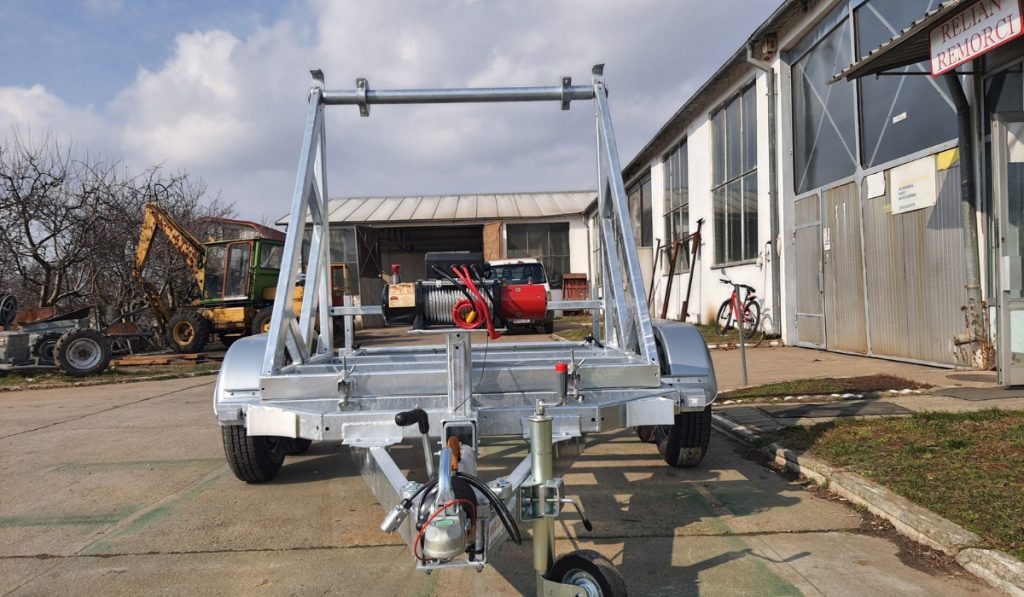
Flatbed vs wheel lift towing comes down to protection versus speed. Flatbeds carry the whole vehicle off the road, ideal for AWD/4WD, low-clearance cars, accidents, or long distances.
Wheel-lift tows lift one axle, often faster and cheaper for short moves of drivable vehicles. Dedicated Towing and Recovery can recommend the safest option.
Difference Between Flatbed and Wheel-Lift Towing
Flatbed towing carries the entire vehicle on a level platform, lifting all wheels off the road, and our professional flatbed towing services ensure maximum protection during transport. Wheel-lift towing raises only one axle using a hydraulic yoke, leaving the other two wheels on the ground. Choose a flatbed for AWD/4WD, EVs, low-clearance, or accident-damaged vehicles. Use a wheel lift for drivable FWD/RWD vehicles needing short, local tows or when access is tight.
Dedicated Towing and Recovery is a trusted Fort Collins towing company specializing in flatbed towing and wheel-lift towing. We help you choose the safest and most efficient towing method for your vehicle, whether you need accident recovery or roadside help. Our team makes sure your car is moved securely and without damage.
When drivers in Fort Collins compare flatbed vs. wheel lift towing, they’re deciding between total protection and speed. Flatbed towing uses a rollback truck to lift the whole vehicle off the road. Wheel lift towing raises just two wheels with a hydraulic lift, leaving the others rolling. Each method has a clear purpose, and we guide you to the safest solution for your situation.
What is Flatbed Towing and How Does it Work?
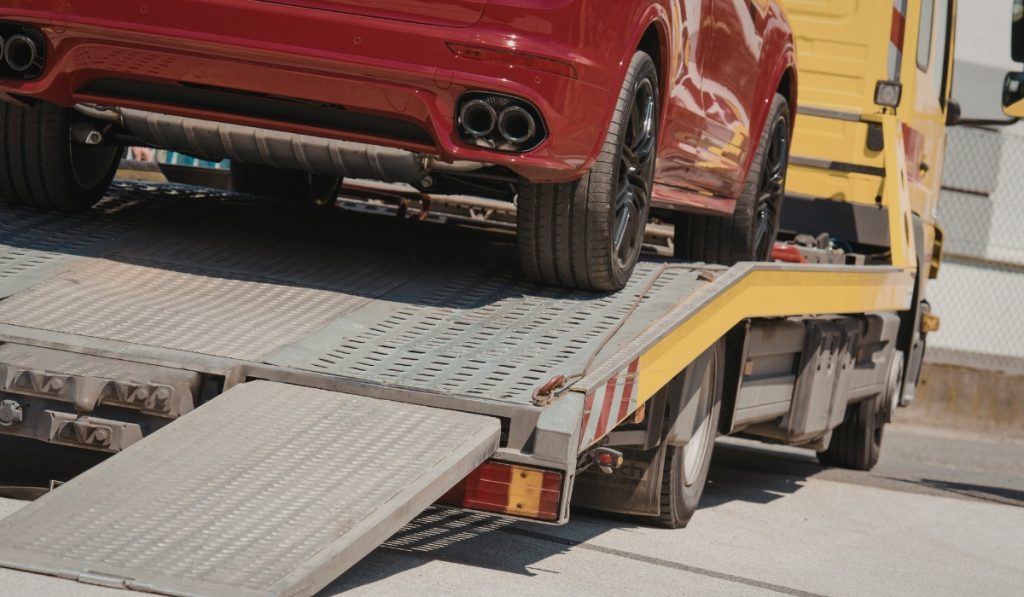
Flatbed towing uses a tow truck with a flat platform that tilts to the ground. The operator attaches a winch to your car’s anchor point and pulls it onto the flatbed. Heavy-duty straps secure each wheel.
All wheels are off the pavement, which is best for accident recovery, luxury cars, vehicles with low clearance, or damaged drivetrains. Flatbed towing lowers the risk of extra damage and is the safest way to move a car in most cases.
The flat surface supports the whole vehicle, so there’s no stress on the suspension or driveline. We often recommend flatbed towing for all-wheel-drive vehicles, specialty models, or cars that need to go a long distance. It’s also the best method for electric vehicles (EVs) to avoid drivetrain and battery problems.
What is Wheel-Lift Towing and How Does it Work?
Wheel-lift towing uses a tow truck with a hydraulic lift system. The metal yoke slides under the front or rear wheels and cradles them. The lift raises two wheels off the ground, while the other two stay rolling. For all-wheel drive (AWD) or four-wheel drive (4WD), we can add dollies under the wheels to protect the drivetrain. This method is efficient for short-distance or local towing, like moving a car after a breakdown or for roadside help.
Wheel-lift towing is a fast, reliable choice for drivable cars with no major damage or clearance issues. The equipment is easier to use in tight spots, like downtown streets or narrow alleys. If you need your car moved quickly and safely, our wheel-lift tow trucks are ready any time.
When Each Method is Typically Used in Fort Collins
Choosing between flatbed towing vs. wheel-lift depends on your vehicle and situation. Here’s a quick guide for common scenarios in Fort Collins:
- Flatbed towing: Best for accident recovery, luxury cars, vehicles with low clearance, or when damage prevention matters most.
- Wheel-lift towing: Good for roadside help, private property impounds, and fast, local towing of undamaged cars.
- Our recommendation: Tell us your vehicle type and issue. We’ll send the right truck for safety and efficiency.
Whether you’re stranded on Harmony Road or need a specialty car moved across town, our 24/7 emergency towing service helps you pick the right method every time.
Choosing Between a Flatbed and a Wheel Lift
Picking the right towing method doesn’t have to be hard. Follow these steps to keep your car safe and get your day back on track.
Fast rules of thumb
- Assess drivetrain: Flatbed towing is safest for AWD, 4WD, or cars with complex transmissions.
- Check clearance: If your car sits low or has custom bodywork, flatbed transport prevents undercarriage damage.
- Consider accident status: For any car with collision damage, a flatbed tow truck is the safest way to avoid more harm.
When speed matters vs when protection matters
- Speed (local, minor issues) – Wheel-lift towing is quicker and best for short, local tows and basic roadside help.
- Protection (accidents, specialty vehicles) – Flatbed towing gives maximum safety, especially after an accident or for high-value cars.
- Our process – We always send the right truck for your needs, balancing safety and speed.
Step By Step – Loading a Vehicle Onto a Flatbed
Loading a car onto a flatbed begins with positioning the rollback truck at a safe angle behind the disabled vehicle. The operator extends the hydraulic system to lower the bed to the ground, creating a ramp.
If the vehicle is inoperable, a winch is attached to a manufacturer-approved anchor point—typically the frame or subframe—and used to gently pull the car onto the deck. For drivable vehicles, the driver may slowly roll the car onto the bed under controlled conditions.
Once fully on the flatbed, the bed is raised and locked into a transport position. The operator then secures the vehicle using at least four heavy-duty tie-down straps, attaching them to reinforced anchor points on both the truck and the vehicle.
Wheel nets may be added for extra stability, especially for motorcycles or vehicles with unique wheel designs. Every connection is double-checked before transport begins.
How We Secure Your Vehicle
Proper securement is critical to safe towing. We use industrial-grade tie-down straps with ratchet mechanisms to ensure a tight hold without over-tightening. Each strap is routed through designated anchor points on the flatbed and attached to the vehicle’s strongest structural components—never to bumpers, axles, or suspension parts. Wheel nets provide additional containment, wrapping around tires to prevent lateral movement.
Our operators are trained to inspect each vehicle for proper attachment points and adjust the securing method based on weight distribution, vehicle type, and road conditions.
For example, sports cars with carbon fiber underbodies or EVs with sensitive battery enclosures require special padding and strap placement. This attention to detail ensures your vehicle arrives at its destination exactly as it left—without scratches, misalignment, or mechanical stress.
Situations Where Flatbed Towing is the Best Call
Flatbed towing is the safest towing option in numerous scenarios. After an accident, when suspension, steering, or frame damage is suspected, lifting the entire vehicle prevents further mechanical stress. For motorcycle towing, flatbeds allow upright transport, reducing the risk of engine or fairing damage.
Electric vehicles (EVs) present unique challenges due to their heavy battery packs and regenerative braking systems. Many manufacturers explicitly recommend or require flatbed towing to avoid damaging the powertrain.
Similarly, luxury and performance vehicles often have ground clearance too low for safe wheel-lift towing. In Fort Collins, where mountain roads and winter conditions increase accident risks, flatbed towing provides peace of mind for drivers needing reliable, damage-free transport.
How Wheel-Lift Towing Works
Wheel-lift towing uses a hydraulic lift to raise two wheels of a car off the ground. This method is faster to set up and needs less space than flatbed towing. It’s best for quick, local jobs where speed and access matter most.
Hooking up with a wheel-lift
Setting up a wheel-lift tow is about precision and speed. Our technician positions the tow truck behind your car and lines up with the drive wheels. The hydraulic lift extends under those wheels and cradles them. Safety chains are attached, and the lift raises the wheels off the ground. We double-check every connection before moving.
Using wheel dollies
AWD and 4WD vehicles need extra care to avoid drivetrain damage. We use dollies under the non-lifted wheels. After locking and securing the dollies, we check that each wheel spins freely to protect your transmission and differential during the tow.
Best-fit situations for wheel-lift towing
- Private property impounds – Tight access or crowded lots are no problem.
- Local towing in tight spaces – Wheel-lift towing works well in parking garages, alleys, or spots with little clearance.
- Light equipment moves – Mechanics sometimes use wheel-lift towing for small toolboxes or shop relocations when access is limited.
Wheel-lift towing is practical and efficient for quick, local jobs in Fort Collins.
Will Towing Damage My Car? What Actually Affects Risk
Towing can damage a car if the wrong method is used or if it’s not secured properly. The main risks are drivetrain setup, ground clearance, and how the car is attached. We lower these risks through training, the right equipment, and careful planning.
Drivetrain Risks
AWD and 4WD cars face the highest towing risk. If a wheel-lift tow is used without dollies, drivetrain and transmission parts can get damaged. Flatbed towing is always safest for these cars because all wheels are lifted.
Low Clearance, Bumpers, and Body Kit Concerns
Cars with low ground clearance, custom bumpers, or body kits need extra protection. Wheel-lift towing can scrape or damage these parts, especially on ramps or rough roads. Flatbed towing keeps everything out of harm’s way.
How Trained Operators Reduce Risk
- Attachment point inspections – We check for solid, approved tie-down spots.
- Proper equipment and tie-downs – Using the right straps, chains, and wheel nets keeps your car secure.
- Strict protocols – Our team double-checks every connection and uses safety checks, making sure your car arrives in the same shape it left.
With over a decade serving Fort Collins drivers, our professionals are trained to avoid common towing risks.
Accident Scenes, Winch-Outs, and Off-Road Recoveries – Which Tow Method Gets You Out Safely?
Towing method comparison is critical when your car is stuck after an accident or off-road. Flatbed towing lifts the whole car for maximum protection. Wheel-lift towing is often faster and cheaper for roadside recovery. Picking the right method matters for damage prevention and safety.
Accident Recovery
After an accident, protecting your car’s delicate parts is key. Flatbed towing is the best choice for accident recovery, especially when the suspension or steering is damaged. Loading the whole car onto a flatbed tow truck prevents extra harm to these parts. Wheel-lift towing may risk dragging or stressing damaged parts, so we always check the car’s condition before picking the towing method.
Winching and Winch-Outs
Sometimes, the challenge is getting your car unstuck before towing. Winching and winch-outs use a strong winch to pull cars from ditches, mud, or tough spots. We secure anchor points and gently move your car onto solid ground. Then we decide if flatbed or wheel-lift towing is best, based on the car’s condition and access.
Off-road recovery vs Roadside
The terrain changes how we handle a recovery. Off-road recovery needs special gear, strong anchor points, and a flatbed tow truck for rough ground. For roadside help in easy areas, wheel-lift towing with dollies can be a quick solution. Our technicians check every situation to match the equipment to your needs.
What About Motorcycles, EVs, and Specialty Vehicles?
Specialty towing adapts tow truck methods to move motorcycles, EVs, and unique equipment. Flatbed towing is preferred for stability and protection. Picking the right approach keeps specialty vehicles safe and damage-free.
Motorcycle Towing
Motorcycle towing needs skill and the right gear, which is why our specialized motorcycle towing services use proper straps, wheel nets, and secure upright transport. Flatbed trucks move motorcycles upright, preventing tipping and damage. We use tie-down straps and wheel nets to secure your bike. Improper handling can lead to costly repairs, so our team always uses the correct techniques.
EV Towing Considerations
Electric vehicles (EVs) are heavier and have sensitive battery systems. Flatbed towing is the safest method for EVs, as it avoids strain on the wheels and drivetrain. We follow manufacturer guidance and use special tie-downs to keep your EV safe. Our technicians stay updated on EV towing rules.
Small Equipment Transport and Toolbox Relocation
For small equipment transport or toolbox relocation, the right truck matters, and our reliable small equipment transport ensures safe handling of bulky or heavy items. Flatbed towing is best for larger, bulky items.
Wheel-lift towing works for smaller loads with easy access. We check each job’s size, weight, and access to match the equipment and truck to your needs.
How We Decide Which Truck to Send
Choosing the right tow truck prevents extra costs and makes sure your car is moved safely. Our dispatch process uses a checklist to match flatbed vs wheel-lift towing to your situation.
The Dispatch Checklist
Our dispatch team starts with these questions:
- Vehicle type and condition – Is it drivable or damaged?
- Clearance and modifications – Low or modified cars need flatbeds.
- Accident or specialty needs – May need special equipment.
These questions help us send the right tow truck every time.
Access Challenges
Access is often the hardest part of towing. In tight spaces like parking garages or private property, wheel-lift towing with dollies helps. Dollies let us handle low-clearance and confined areas without risking damage. Our team considers all access challenges to avoid sending the wrong tow truck.
Local vs Long-Distance Towing
For local towing jobs, speed and flexibility matter most. Wheel-lift towing is often best for short distances and quick turnarounds. Long-distance towing needs maximum protection. Flatbed towing is safest for long trips, preventing wear and tear.
Why Locals Choose Dedicated Towing and Recovery
Towing method comparison shows two clear paths. Flatbed towing lifts the whole car onto a rollback truck. Wheel-lift towing raises only one axle. Flatbeds offer better protection, while wheel-lifts deliver speed and affordability. Picking the right method keeps your car safe and saves time.
Family Owned & Operated
We are a family-owned and operated local towing company with roots in Fort Collins. Our promise is to provide timely and professional service every time—backed by over a decade of experience serving neighbors in our community. You’ll always get friendly, knowledgeable technicians who treat your car like it’s their own.
Our Equipment and Operators
Our fleet includes modern flatbed tow trucks, wheel-lift tow trucks, durable dollies, and heavy-duty winches. Every operator is trained in IAITO-certified towing techniques and has over 10 years of field experience, ensuring safe handling of all vehicle types.
Service Area and Availability
We provide 24/7 live dispatch and true 24-hour emergency service throughout Fort Collins and nearby neighborhoods.
The Simplest Way to Pick the Right Tow
Choosing between flatbed vs. wheel-lift towing doesn’t have to be confusing. When in doubt, prioritize protection—especially for AWD, EVs, damaged, or low-clearance vehicles.
Flatbed towing is the safest towing option and worth the small cost difference for peace of mind. For drivable cars in tight spots or quick local moves, wheel-lift towing offers speed and efficiency.
If you remember only three things about flatbed vs wheel-lift towing
- Flatbed towing lifts all wheels off the ground—best for safety, especially with AWD, EVs, or accident-damaged cars.
- Wheel-lift towing is faster and works well for local, short-distance tows of undamaged, front- or rear-wheel-drive vehicles.
- Tell dispatch key details—like drivetrain, damage, or modifications—so we send the right tow truck the first time.
If you’re stuck on the side of the road or need help moving a specialty vehicle, don’t wait. Our 24/7 team is ready to respond with the right equipment. Whether you need a flatbed tow truck for an accident recovery or a wheel lift for a quick impound, we’ve got you covered.
Call now at (970) 893-3297 for immediate assistance—because in an emergency, getting help fast starts with the right tow.
Frequently Asked Questions
Is flatbed towing safer than wheel-lift towing?
Flatbed towing is usually safer than wheel-lift towing because the whole car rests on the truck, preventing drivetrain or body damage. We recommend flatbed towing for high-value, luxury, or damaged cars.
Can you tow an AWD or 4WD vehicle with a wheel lift?
AWD and 4WD cars can only be towed with a flatbed if dollies are used to keep tires off the ground. Flatbed towing is the preferred method for these vehicles.
Do I need a flatbed tow after an accident?
After an accident, flatbed towing is safest for your car. It protects damaged suspension, steering, and frame parts during transport.
What’s the difference between a wheel-lift and a hook-and-chain tow truck?
Wheel-lift towing uses a hydraulic lift and safety chains under the wheels. Hook-and-chain tow trucks use hooks directly on the frame or axle. Wheel lift is safer for modern cars and lowers the risk of damage.
When are tow dollies required?
Tow dollies are needed for wheel-lift towing of AWD or 4WD cars to prevent drivetrain damage. Our team always checks your car’s needs before sending the right equipment.