
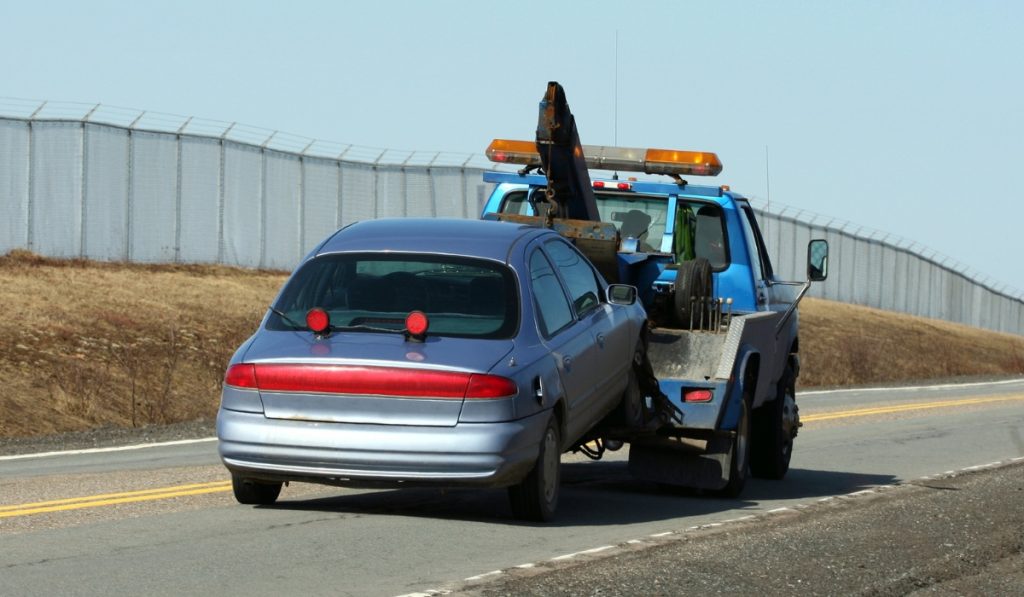
Light-duty, medium-duty, and heavy-duty towing are classified by vehicle weight and size. Light-duty covers passenger cars, SUVs, and small pickups. Medium-duty vehicles include vans, box trucks, and loaded work trucks. Heavy-duty is for semis, buses, and RVs. Class selection depends on GVWR, drivetrain, and recovery conditions.
Dedicated Towing and Recovery matches the right wrecker to prevent damage and speed recovery.
- Find your vehicle’s GVWR (listed on the door sticker or in the manual).
- Note drivetrain type or condition—AWD, 4WD, or locked wheels require flatbeds or specialized gear.
- Share location details—tight access, inclines, or off-road recovery affects equipment needs.
Light vs Medium vs Heavy Duty Towing – What’s the difference?
Dedicated Towing and Recovery is a local towing service that specializes in light-duty, medium-duty, and heavy-duty towing. We help drivers and businesses match the right tow truck to their vehicle. This keeps recovery safe, legal, and quick. Choosing us helps you avoid mistakes and delays.
Towing classes are based on vehicle size and weight. Light-duty is for cars and motorcycles. Medium-duty covers vans and work trucks. Heavy-duty is for semis and buses. Picking the right tow truck stops damage and speeds up the process.
Drivers often ask what class of tow truck they need. The answer depends on the vehicle’s specs. Our team sorts requests by weight capacity, towing capacity, and GVWR (Gross Vehicle Weight Rating). These numbers are the base for safe towing. Light-duty towing is for cars, motorcycles, and small SUVs. Medium-duty fits bigger vans, box trucks, and loaded pickups. Heavy-duty handles commercial vehicles, semis, buses, and RVs.
The difference is important for your vehicle’s safety. A tow truck matched to your vehicle’s weight follows the rules and lowers the risk of damage. If your SUV is too heavy for a light-duty truck, you could face repairs. We check your vehicle’s specs before sending equipment. This stops the wrong wrecker from showing up. Matching the tow truck class solves breakdowns faster and cuts delays.
How Towing Classes are Defined
Check your vehicle’s GVWR, weight capacity, and towing capacity to find your towing class. The GVWR is on the driver’s door sticker and in the owner’s manual. Light-duty tow trucks handle vehicles up to 10,000 pounds GVWR. Medium-duty covers 10,001–26,000 pounds. Heavy-duty is for vehicles over 26,000 pounds GVWR. Weight capacity is the total weight a tow truck can pull safely. Towing capacity depends on the tow truck type—flatbed, wheel-lift, boom lift, winch, or dolly.
We start with a quick check of these numbers. Tow trucks are matched to them to stop damage and follow the rules. If you give a pickup’s GVWR and payload, our dispatchers can pick a flatbed or wheel-lift truck with the right specs. This is key for loaded vehicles or trucks with cargo. We suggest double-checking your vehicle’s curb weight and payload before you call.
The company has seen confusion about GVWR or towing capacity lead to the wrong truck arriving. For motorcycles and cars, a light-duty wheel-lift or dolly works. SUVs and loaded pickups may need a flatbed. Large commercial vehicles need a boom lift or heavy-duty winch. Knowing these details stops mistakes and speeds up recovery.
Why the Towing Class Matters
Picking the right towing class keeps your vehicle safe, follows the rules, and lowers the risk of damage or fines. Our team knows that using the wrong tow truck can cause frame or suspension damage. It can also lead to legal trouble if road safety rules are broken. For example, towing a heavy truck with a light-duty wrecker isn’t just unsafe—it’s not allowed by local law.
Safety comes first. We’ve seen many cases where the wrong tow truck bent axles or damaged frames. By matching the tow truck’s weight and towing capacity to the vehicle, we avoid these problems. Rules are enforced through weight limits and GVWR checks. If your vehicle is too heavy for the tow truck, both the operator and the customer could get fined.
Damage risk goes up with every pound over the limit. Our specialists say to always check the GVWR and give the right info. Commercial vehicles, RVs, and buses need heavy-duty towing with special gear like boom lifts and winches. Cars and motorcycles are safer with light-duty trucks. This keeps your vehicle, the equipment, and our operators safe.
Passenger Car vs SUV vs Commercial Vehicle
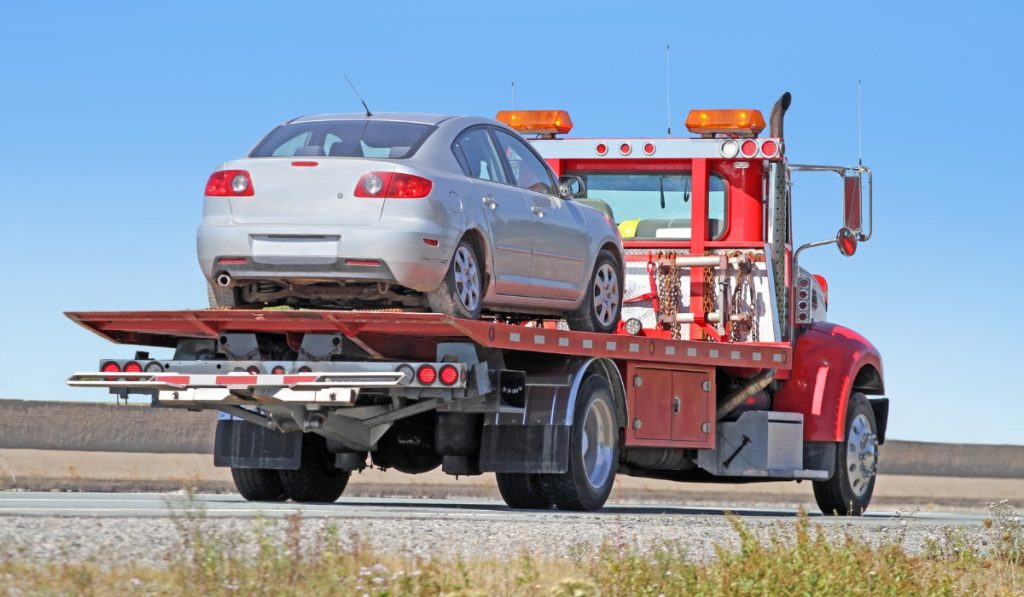
Passenger car towing uses light-duty gear like wheel-lift and dollies systems. SUV towing may need a flatbed, especially for bigger or all-wheel-drive models. Loaded pickups and cargo vans usually need medium-duty towing, depending on their GVWR and payload.
Commercial vehicle towing is for heavy-duty tow trucks. These include box trucks, semis, buses, and RVs. Our experts pick boom lifts, winches, or flatbeds with strong frames for these jobs. We check the vehicle’s weight and towing capacity before sending equipment to keep things safe.
Here are common scenarios:
- Passenger car – light-duty wheel-lift tow truck or dolly system
- Motorcycle – light-duty dolly system
- SUV – flatbed tow truck, sometimes medium-duty
- Pickup truck – light or medium-duty, flatbed or wheel-lift
- Commercial vehicle – heavy-duty boom lift or winch system
This system helps us match the right towing service to your needs. It cuts delays and stops damage.
Light-Duty Towing
Our light-duty towing services are the most common type and handle most passenger vehicles. It handles most passenger vehicles. Our team knows the local streets, parking lots, and driveways, so we respond fast and recover vehicles safely. Here’s what light-duty covers:
Vehicles commonly handled
- Passenger car towing – Compact and mid-size cars are the most frequent customers for light-duty service.
- SUV towing – Two-wheel and all-wheel drive models can be moved with flatbed or wheel-lift tow trucks.
- Pickup truck towing – Light-duty pickups fall within the up to 10,000 lbs GVWR range.
- Motorcycle towing – Wheel-lift or dolly systems are used for motorcycles to keep them upright.
Common situations
- Vehicle breakdowns – Engine failure, overheating, or battery issues where the vehicle can’t drive.
- Lockouts – Towing after a lockout if entry can’t be gained quickly.
- Accident recovery – Removing cars after minor crashes or when they can’t move.
- Urban towing scenarios – Tight city streets, parking garages, and neighborhoods.
Typical equipment
- Flatbed tow truck – Good for most cars and SUVs, stops wheel or drivetrain damage.
- Wheel-lift tow truck – Used where flatbed access is tight or for quick removal.
- Dolly system – For vehicles with stuck wheels or for motorcycles.
- Winch system – Helps recover vehicles from ditches or tricky spots.
Our local know-how means you get the right towing service and gear for every light-duty call. We match your vehicle type and GVWR to lower risk and speed up recovery.
Medium-Duty Towing
Our medium-duty towing handles vehicles between 10,001 and 26,000 lbs GVWR. These include delivery vans, box trucks, and loaded pickups. Recovery often occurs on highways or commercial zones.
Vehicles commonly handled
- Box truck towing – Common for delivery fleet breakdowns.
- Sprinter van towing – Used in service and transport industries.
- Utility truck towing – Carrying tools or equipment, often near capacity.
- Loaded pickup towing – Especially when hauling trailers or heavy cargo.
Common situations
- Highway breakdowns – Especially for delivery or service vehicles.
- Commercial site recovery – From job sites with limited access.
- Overloaded vehicle towing – When payload pushes GVWR into medium class.
- Mechanical failure under load – Engine or transmission issues during operation.
Typical equipment
- Medium-duty flatbed – Reinforced decks for heavier loads.
- Wheel lift with extended arms – For stable pickup of longer vehicles.
- Boom lift – For vehicles stuck on inclines or off pavement.
- Winch system – Assists in pulling disabled trucks to level ground.
Matching the right truck prevents frame stress and ensures safe transport.
Heavy-duty towing
Our heavy-duty towing service manages vehicles over 26,000 lbs GVWR. This includes semis, buses, and large RVs. These recoveries often involve accidents, rollovers, or load shifts.
Vehicles commonly handled
- Semi-truck towing – Especially after highway incidents.
- Bus towing – School, transit, or charter buses.
- Motorhome towing – Class A and large Class C RVs.
- Trailer and dolly combinations – When detached or damaged.
Common situations
- Accident recovery – Multi-vehicle crashes or rollovers often require emergency towing services with heavy-duty equipment.
- Rollover stabilization – Requires lifting and securing.
- Load shift incidents – Where cargo imbalance caused failure.
- Off-road recovery – From medians, ditches, or embankments.
Typical equipment
- Rotator wrecker – 360-degree boom for precise lifting.
- Air cushions – Used to lift overturned vehicles safely.
- Axle lift systems – For moving vehicles without wheel damage.
- Heavy-duty winch and cables – High-tension pull for large masses.
These tools ensure control and safety during complex operations.
How Much Does Towing Cost By Duty Class?
Towing cost varies by duty class and several key factors. Prices are not fixed and depend on location, equipment, and job complexity.
- Distance – Longer hauls increase cost, especially for heavy-duty moves.
- Winching – Required for off-road or ditch recoveries; adds labor and time.
- After-hours service – Night, weekend, or holiday calls often have surcharges.
- Vehicle condition – Wrecked, tilted, or locked-wheel vehicles need more gear.
- Permits and escorts – Oversized loads may require legal clearance and pilot vehicles.
Light-duty towing typically costs less than medium or heavy-duty due to simpler equipment and access. However, all prices vary significantly by market and provider.
Frequently Asked Questions
What GVWR usually separates light-duty vs medium-duty towing?
Light-duty towing covers vehicles with a GVWR up to 10,000 lbs. Medium-duty starts at 10,001 lbs and goes up to 26,000 lbs. Always check your vehicle’s GVWR to get the right class.
Is a flatbed tow truck required for AWD SUVs?
Yes, a flatbed tow truck is best for AWD SUVs. It stops drivetrain damage. Wheel-lift towing might work for some models, but a flatbed is safer.
Can a medium-duty towing service handle a loaded box truck?
Medium-duty towing can handle most box trucks, but the weight must include the cargo. For very heavy trucks, heavy-duty towing may be needed.
What information should I give a towing service to get the right tow truck?
Give your vehicle’s make, model, GVWR, location, and any access issues. This helps us send the right tow truck for your needs.
What’s the difference between towing and accident recovery?
Towing moves a vehicle from one place to another. Accident recovery uses winch or boom lift gear to pull vehicles from tough spots. Heavy-duty towing is often needed for these jobs.