
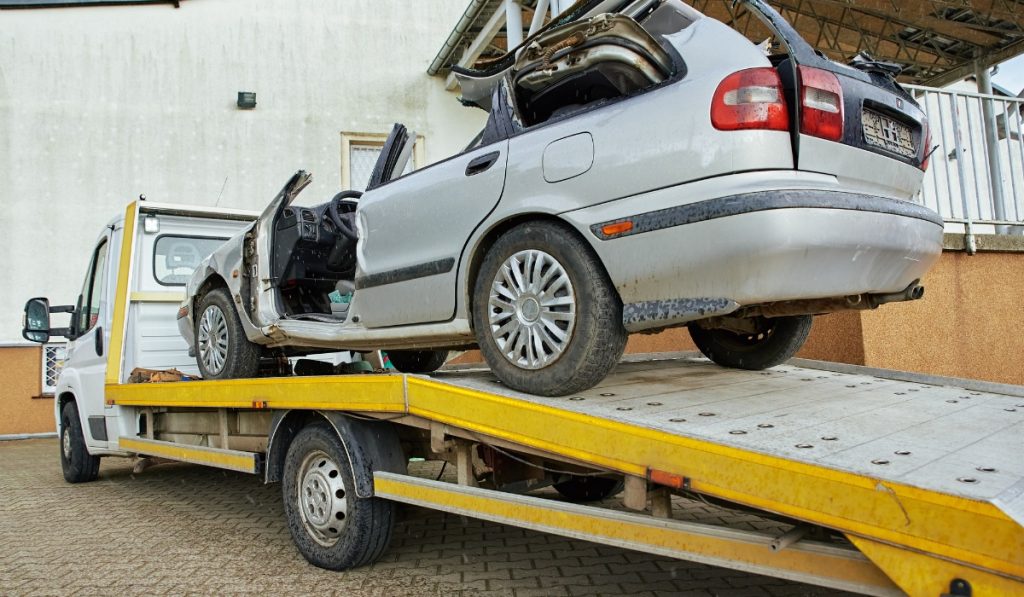
Getting your vehicle released usually means confirming the impound location, paying tow/storage fees, and showing proof of ownership plus a valid ID (and insurance if required).
To know how to get my car out of impound faster, call ahead for hours and accept payments; Dedicated Towing and Recovery can guide local release steps.
How to Get My Car Out of Impound – Start With These 5 Checks
Dedicated Towing and Recovery is a trusted towing assistance provider. We help drivers with the vehicle release process. Our team makes sure you have the right documents, understand impound fees, and know what steps to take for a smooth release.
If you’re asking how to retrieve an impounded vehicle, start by finding out where your car is. We help drivers in neighborhoods across the city, guiding them through the steps for a successful release. Skipping any verification or paperwork can delay you. Here are the five checks our experts recommend.
Confirm Where the Vehicle is Held
Find out if your car is at a police impound, city impound, or private impound lot. Each location has its own release process and requirements.
When you call, ask if the impound is run by the police, the city, or a private company. Police impounds often need extra paperwork, like an incident report or court order.
City impounds usually need proof of ownership and ID. Private lots may have their own rules and fees. Write down the address and hours so you’re ready.
Identify the Hold Type and Impound Duration
Check if your car is under a standard hold or a 30-day impound. The type of hold affects when you can start the release process and how much you’ll pay.
Standard impounds usually allow release within 24-48 hours if you meet all requirements. If your car has a 30-day impound, often for a criminal charge or traffic violation, you must wait until the hold ends.
Fees add up every day, including the tow and storage fees. We can explain the impound duration and when you might need legal representation for early release.
Collect ID and Eligibility Items
Bring your driver’s license and any documents showing you’re allowed to get the car. If the car was impounded because of an unlicensed driver, you may need more paperwork.
Bring your valid driver’s license. If you had a problem like driving without a license, bring proof that it’s fixed or court papers clearing the issue. If you’re not the owner, you might need a notarized letter from the owner. Having these items ready helps you get your car out of impound faster.
Get Documents Ready
Gather your vehicle registration, proof of ownership, and insurance. These are required for release and show you have the right to get the car.
Registration and proof of ownership—like the title—are needed at all impound lots. If your insurance has lapsed, some places won’t release the car until you show proof of coverage. Check your insurance before you go. Missing paperwork is a common reason for denied release requests. Make sure everything is current and signed.
Call Ahead
Before you go, call the impound lot to confirm their process—or contact our team if you need help understanding impound rules or what documents to bring, hours, and what payment methods they accept.
Ask if they need a court order, lienholder consent, or other special paperwork. Find out if you can pay with cash, card, or money order, and ask for a breakdown of all fees.
Call at least a day ahead, especially before weekends or holidays. This helps you avoid surprises and speeds up the release.
What Is a Car Impound and How Does It Work?
An impound is when authorities take your car and store it at a lot. Only police, city officials, or licensed companies can impound cars. Knowing how to get a car released from impound means knowing who ordered the hold and the release process.
Police impounds often involve criminal charges or unlicensed drivers. City impounds may result from unpaid tickets or public nuisance violations. Private lots usually act for property owners, enforcing parking rules or working with local towing services when vehicles must be removed. Dedicated Towing and Recovery helps you figure out which lot has your car and what documents you’ll need.
Common reasons for impoundment include traffic violations or breakdowns that require roadside assistance before the vehicle ends up in a tow yard, criminal charge, vehicle seizure, or public nuisance hold. For example, a car can be impounded if the driver doesn’t have a valid driver’s license or is arrested during a stop. Other causes are court orders, illegal parking, or abandoned vehicle complaints. The length of the impound varies—some cases resolve in hours; others need legal help.
Some holds change how to get your car out of impound. If there’s a 30-day impound or court order, you can’t get your car until the hold ends. Storage fees add up daily, raising your final bill. Contact the impound lot as soon as you can to confirm your release date and avoid extra costs. We can guide you if your case has special legal or administrative holds.
Police Impound vs City Impound vs Private Tow Yard Impound Lot
The type of impound lot matters. Police impounds usually need proof of ownership and that you’ve resolved any charges or violations. City impounds may require you to pay fines or tickets first. Private tow yards focus on property rules and often release cars after you pay fees and show ID. Each lot has its own process and hours.
Common Causes
Traffic violations, like driving without a license, lead to many impounds. Criminal charges, especially DUI or vehicle crimes, also result in seizures. Public nuisance cases and court actions can require cars to be held until the issue is fixed. The impound time varies—some cars are held longer because of investigations or unpaid fines.
Holds that Change the Timeline
A 30-day impound is a standard penalty for some repeat offenses or when a court order is involved. During this time, the car stays at the lot even if you pay. Mandatory holds make the process longer and increase storage fees. We can explain how these holds affect your release and help you plan for when the hold ends.
How to Prove Vehicle Ownership for Release
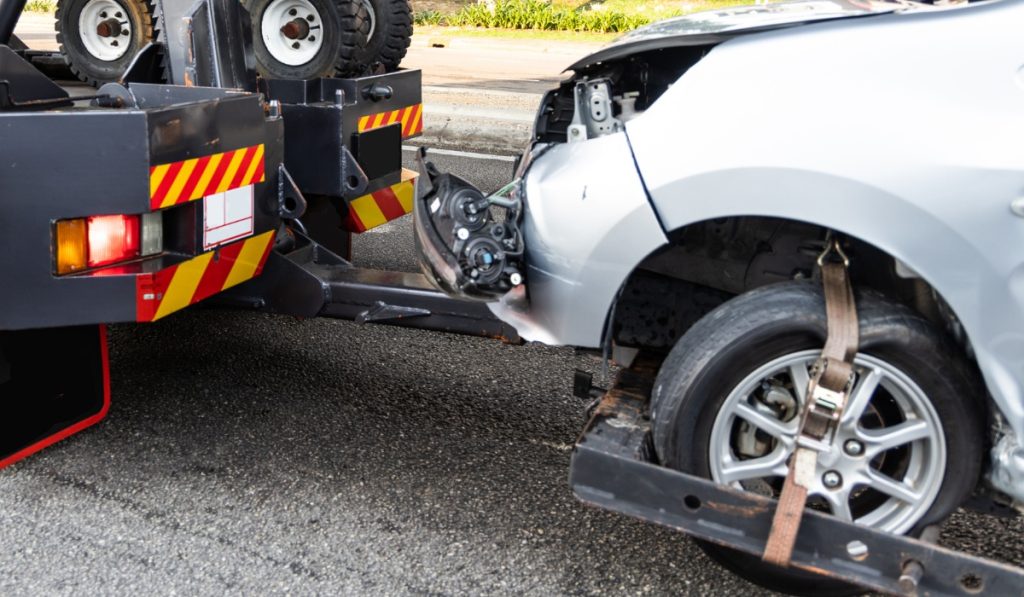
Proving you own the car is required for release. Follow these steps for a smooth process.
- Show your vehicle registration and title as proof of ownership.
- If you don’t have these, bring an insurance card, loan document, or recent bill of sale.
- Bring your driver’s license to confirm your identity.
If you’re not the registered owner:
- Get a notarized letter or release form letting you act for the owner.
- Bring your own license and the authorization to the lot.
Cars with a lien need lienholder consent:
- Contact your lienholder and get a written release or consent letter.
- The lienholder may want payment of any loans before approving release.
- Give consent, your ID, and proof of ownership of the lot.
We help with document checks and special situations. If you have trouble with paperwork or questions about authorization, contact us for step-by-step support.
When a Court Order is Required For Vehicle Release
How to get a car released from impound when a court order is needed is to get official paperwork from a judge or court. This is needed for cars held because of criminal charges, evidence holds, or legal violations. A court order lets the impound lot release your vehicle.
Scenarios That Trigger Court Involvement
You need a court order if your car was impounded for a criminal charge, police seizure, or evidence hold. If the car is part of a criminal case or a major traffic violation, a court order is required. Always check with the police impound or lot to see if this applies.
Common triggers include DUI arrests, unlicensed driver incidents, or 30-day impound rules for repeat offenses. Cars used in a crime or part of a court case are often on evidence hold. Contact the agency on your impound notice to confirm the reason for the hold and what paperwork you need.
What to Request
When you ask for a vehicle release, request a court order that clearly says the car can be returned. The order should list your case number, name the impound lot, and say the car goes to the legal owner. Legal representation can make sure all details are included.
You’ll need proof of ownership—like registration or title—and any papers showing you can reclaim the car. Attach these when you file your request with the court. Missing or unclear details can delay release, so check for accuracy.
Timing and Routing
A court order doesn’t automatically release your car. You must file the order with the right agency. Sometimes the courthouse handles it, but often you must take it to the police agency or the impound lot desk. Each place may have its own steps and hours.
Checklist for Getting Your Car Out of Impound
Getting your car out of impound means showing up prepared. Missing a document or not knowing about a hold can add days and storage fees. Here’s a checklist to help you get ready.
- Driver’s license and proof of ownership — Always required for release.
- Clear all holds — Make sure there are no court, lienholder, or public nuisance holds.
- Payment for impound, tow, and storage fees — Most lots take cash, card, or money order.
- Check impound lot hours and process before you go — Avoid return trips by calling ahead.
If you can’t retrieve it today – stop-gap actions to limit storage fees
- Tell the impound lot if you need more time — This may help you avoid extra penalties.
- Ask about partial payments or moving the car — Some lots let you pay down fees or move the car to lower costs.
- Work with our experts — We help find ways to cut impound time and fees.
When it comes to managing private property impounds, timely and reliable service is crucial. Our team ensures that vehicles are removed efficiently, safely, and in full compliance with local regulations. With professionalism and care at the forefront, we make the impound process seamless for property owners.
Trust us to handle every vehicle responsibly—contact us today to schedule your private property towing and recovery service and keep your property secure.
Frequently Asked Questions
Can I get my car out of impound without paying fees?
You usually must pay all fees, including tow and storage, before release. Rare exceptions exist for fee waivers or community service, but these are uncommon.
What documents count as proof of ownership at an impound lot?
Proof of ownership usually means your registration, title, or insurance card. The impound lot will tell you what they accept.
How do I find out if a court order is required to release my vehicle?
Contact the police impound, impound lot, or local police agency holding your car. They’ll tell you if a court order is needed.
What happens if I don’t have a valid driver’s license when I pick up my car?
Without a valid driver’s license, you can’t get your car yourself. You can authorize a licensed person to do it for you.