
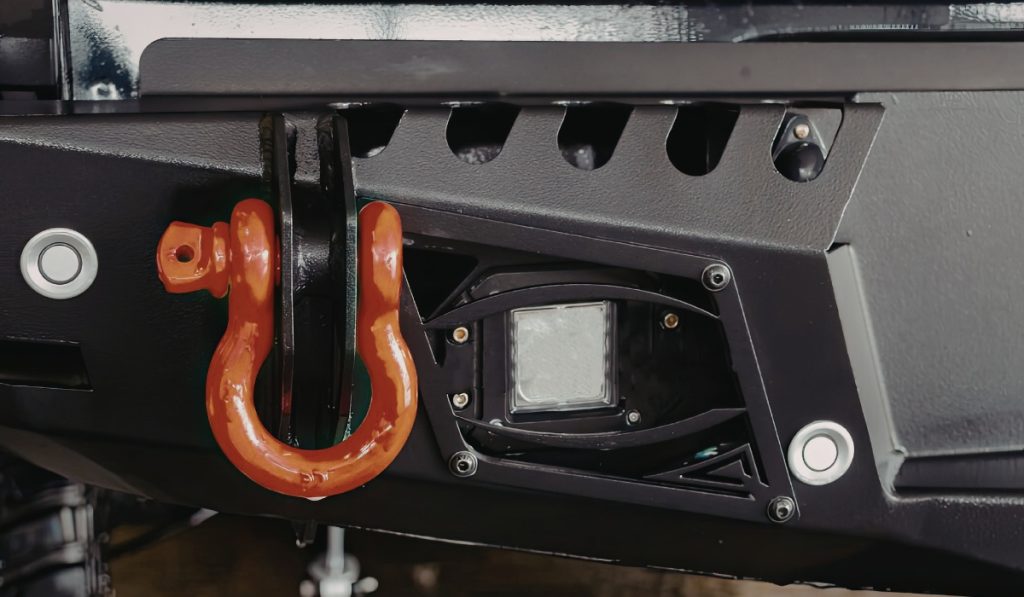
Off-road recovery is the safer choice when a vehicle is stuck, damaged, or in a risky position, because our pros can stabilise, rig multiple points, and extract without worsening the problem. In an off-road recovery vs winch-out decision, a simple winch-out fits light, straight pulls on firm anchor points. Dedicated Towing and Recovery can assess fast.
Off-Road Recovery vs Winch Out Difference
Off-road recovery handles tough extractions from hard terrain. A winch-out is a controlled pull using a winch system; winching is a different operation. Off-road recovery adapts to hazards and obstacles. Picking the right method means faster, safer vehicle retrieval.
Dedicated Towing and Recovery is a trusted off-road recovery company. We also specialize in winch-out and deadfall removal services. Our team delivers fast, safe solutions for stuck vehicles and trail blockages. We help drivers deal with mud, snow, and even deadfall using reliable equipment and proven methods.
Define Off-Road Recovery
Off-road recovery means getting a stuck vehicle out of mud, sand, snow, or rocks. There are two main types: self-recovery and assisted recovery. Self-recovery uses your own gear—like recovery boards, traction boards, a come-along, or a hand winch—to get moving again.
When self-recovery doesn’t work or isn’t safe, assisted recovery is needed. This means using another vehicle, a winch-out, or calling a professional service. Switching to assisted recovery at the right time prevents more vehicle damage and lowers risk. The line between self-recovery and professional help is crossed when the vehicle is deeply buried, high-centered, or blocked by deadfall.
Off-road recovery always starts with an assessment. The team looks at terrain, vehicle weight, gear, and obstacles before choosing the safest method.
Understanding Winch-Out
A winch-out is a controlled way to pull a stuck vehicle out of trouble using a winch line. Winching works best when traction boards fail—like when tires spin with no grip or the vehicle is buried up to the axles.
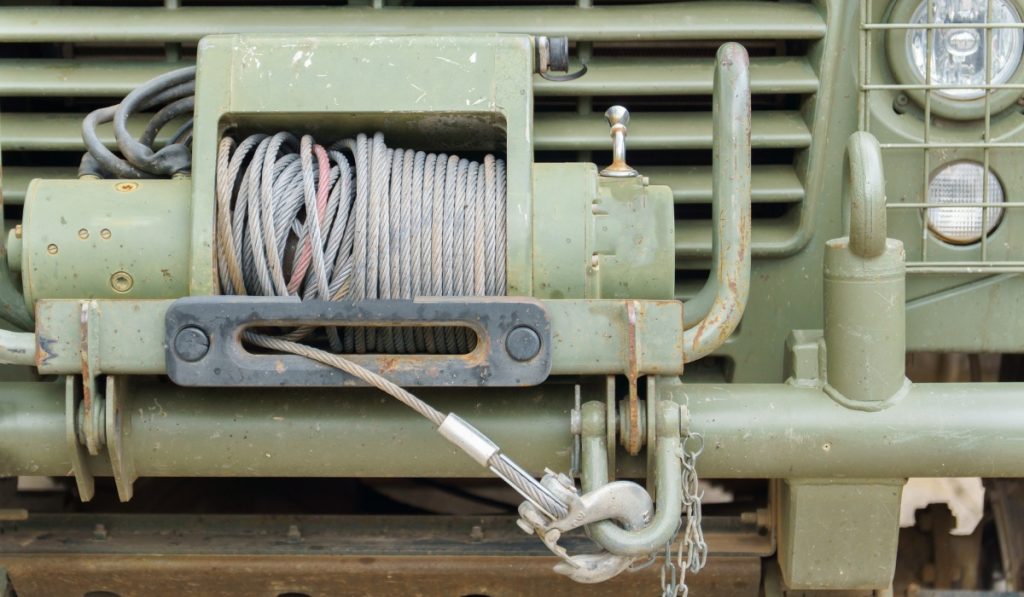
To do a winch-out, the team rigs the winch line to a strong anchor or uses a snatch block to change direction or increase pulling power. The winch line pulls the vehicle out slowly, reducing risk. Winch-outs need careful setup, the right shackles, and constant checks for safety.
Many drivers try winching without the right knowledge or gear, which can be dangerous. If you’re unsure about anchor points or rigging, call for help.
Safety Micro-Checklist for Winch-Outs:
- Clear line of fire — no one in path of winch line
- Use a winch dampener on the line
- Connect only to rated recovery points
- Maintain minimum 15-foot distance from the line.
- Use clear communication or a spotter.
Where Recovery Boards/Traction Boards Fit in The Spectrum
Recovery boards and traction boards are key for self-recovery. They give grip and lift under slipping tires, helping you escape mud, sand, or snow without an outside pull. These boards are light, easy to use, and work well for vehicles that aren’t high-centered or deeply stuck.
But there are limits. Sometimes, boards alone won’t work—like when a vehicle is sunk deep, high-centered, or blocked by deadfall. In those cases, the team switches to winching, using a snatch block or hand winch for more control. We carry both boards and winching gear for flexibility.
Most off-roaders try recovery boards first. If traction is lost or things get worse, it’s time to use a winch-out or call a recovery service. This step-by-step approach keeps things safe and quick.
Recovery Boards vs Winching Effectiveness
Recovery boards work best for shallow obstacles and light traction loss. Winching is stronger for deep mud, rocks, or tough terrain. Picking the right tool prevents more damage and speeds up recovery.
When facing winching vs. full recovery rigging, the team checks terrain, anchor points, and vehicle position. We use come-along tools, hand winch setups, and deadfall removal for tricky extractions, especially where a simple winch-out isn’t safe or sufficient.
Recovery boards are great in soft sand and fresh snow. They give quick traction and keep you from digging deeper. Winching is needed in deep mud or rocky trails where wheels are buried or boards can’t grip. The team picks tools based on ground conditions and solid anchors, like a tree or stable deadfall.
Why Traction Boards Work
Traction boards help when wheels lose grip. They work best in sand and snow, letting tires climb out instead of spinning. In thick mud or on rocks, recovery boards may not work as well.
Traction boards aren’t good when mud is too deep or wheels are below the board’s reach. On rocky ground, boards can slide or break. A winch or kinetic rope is better in those cases. Always check the situation before picking a method.
Winching on Muddy or Rocky Terrain
Winching works well for mud recovery and rock crawling. In deep mud, a winch line gives steady pulling when boards can’t lift the vehicle. On rocky slopes, a snatch block can change the pull angle and reduce winch strain.
A snatch block also makes it easier to pull heavy vehicles. Safe winching needs a strong anchor, like a solid tree, and proper line routing. The team always checks anchor stability and rigging before winching on unstable ground.
Winch-Out as an Alternative to Recovery Boards
Sometimes, neither recovery boards nor kinetic rope are enough. A winch-out or hand winch is needed. This happens when wheels are buried to the axle or deadfall blocks access. In these cases, the team uses hand winch tools or a come-along for controlled pulls.
We recommend checking the terrain first—if wheels are deeply stuck or boards can’t be placed, a winch-out is usually safest. Using hand winches or come-alongs, we can move vehicles in tight spots or away from hazards.
Mechanical Advantage in Vehicle Recovery
Mechanical advantage in vehicle recovery means using tools to multiply pulling power. Snatch blocks or snatch rings can redirect and increase force with less strain on gear. This helps recover heavier vehicles and prevents winch overload.
We use advanced setups for off-road recovery, especially when a single-line pull isn’t enough. Snatch blocks and snatch rings are picked based on rope type and load. In steep terrain, our team uses load cells to check forces.
Snatch Block vs Snatch Ring
A snatch block is a pulley that reduces friction and stays cooler under heavy load. A snatch ring, made for synthetic rope, uses smooth surfaces but gets hotter due to more friction.
Snatch blocks handle heavier loads and steel cables better. Snatch rings are lighter and easy to carry. For long winching jobs, snatch blocks are preferred to limit wear and heat.
When to Use a Come-Along Instead
A come-along is a manual pulling tool for short-range vehicle moves when an electric winch isn’t available. Its main advantage is precise, controlled movement in tight spaces. This matters when professional recovery vs self-winch decisions need low risk and self-recovery.
If your vehicle is stuck behind a deadfall, on a muddy bank, or wedged between rocks, knowing the right recovery method helps. The company often recommends a come-along or hand winch when engine-powered winching isn’t possible or safe. Knowing when to use each tool—and how to combine them with recovery boards—can mean the difference between a successful self-recovery and a bigger problem.
Come Along for Short Recoveries
A come-along is best for short, controlled pulls where the vehicle only needs to move a few feet. Use a come-along when an electric winch can’t reach or power is out, like after a battery failure or when stuck in deep sand. The come-along is good for moving vehicles stuck in mud or nudging tires off small obstacles, as long as the pull distance is short.
Always check the rated capacity of your come-along before use. Overloading can cause cable failure or injury. Attach the come-along to a strong anchor, like a tree or sturdy deadfall, and to a rated recovery point on the vehicle. Don’t use makeshift anchors or weak hardware. Recovery boards can be used with a come-along for more grip in loose terrain.
Hand Winch for Controlled Repositioning
Hand winches are great for off-road recovery in narrow trails or crowded forest paths where vehicles can’t set up a straight winch pull. The hand winch allows for slow, careful movement, perfect for inching past a deadfall or avoiding damage to plants.
Hand winches are also easy to carry, so they’re useful for solo drivers or small groups. Pair a hand winch with traction boards or recovery boards to help tires grip and move forward as you ratchet the vehicle free. Manual effort is needed—expect a slow process, but with less risk of sudden movement or snapped lines.
What Should Be In a Basic Off-Road Recovery Kit
A good off-road recovery kit is key for safe and effective extractions. We recommend these essentials:
- Winch – electric or hand winch for powered or manual recovery
- Winch line – synthetic rope or steel cable, rated for your vehicle
- Snatch block – for mechanical advantage and angled pulls
- Winch dampener – absorbs recoil if the winch line snaps
- Rigging gloves – protect hands during setup and use
- Kinetic rope – designed for dynamic pulls with stretch and energy return
- Tow strap – static-rated for towing or direct pulls, not for winching
- Winch extension strap / tree saver – rated for anchoring, protects bark and gear
- Recovery boards or traction boards – give tires grip on soft ground
- Soft shackle – lightweight and safe for connecting gear
- Bow shackle – heavy-duty metal for strong pulls
- Inspection – check all hardware for load ratings and wear before every use
With these items, you’re ready for most off-road recovery situations. Check your kit before every trip and practice safe connection methods.
Off-Road Conditions that Change the Recovery Plan
Dedicated Towing and Recovery serves the Pacific Northwest. Common conditions include spring mud season, coastal dunes, mountain snowpack, and storm-fallen deadfall.
In deep forest ruts during mud season, winching is often required when recovery boards fail. On coastal dunes, traction boards usually work first—but full off-road recovery is needed if vehicles are buried past the axles. In winter snow zones, kinetic rope assists are common for quick dynamic pulls, but professional recovery is used when anchor points are weak or terrain is icy.
If you’re stuck in these conditions and self-recovery fails, call Dedicated Towing and Recovery at +1 970-893-3297. Our dispatch team is available 24/7 for emergency recovery.
Frequently Asked Questions
Is a winch-out safer than using a kinetic rope pull?
A winch-out is usually safer than a kinetic rope pull for controlled extractions, especially in deep mud or rocky terrain. Kinetic rope pulls can work but need the right technique and gear.
Do recovery boards work in deep mud, or do you need winching?
Recovery boards may not work in deep mud. Winching is often needed for vehicles that are buried or can’t get traction. Traction boards work best in shallow mud and sand.
What size snatch block should match my winch capacity?
Pick a snatch block rated at least as high as your winch’s max pull. This keeps things safe and stops equipment failure.
Should I choose synthetic rope or steel cable for winching in rocky terrain?
Synthetic rope is lighter and safer but can wear out on rocks. Steel cable is tougher but heavier and more dangerous if it snaps. Use a winch damper and check often.
Can I use a tow strap for winching, or is a recovery strap required?
Tow straps are static and rated for towing, not winching. Winching requires a winch line with a rated extension strap or tree saver. Kinetic ropes are for dynamic recovery pulls, not static winching.