
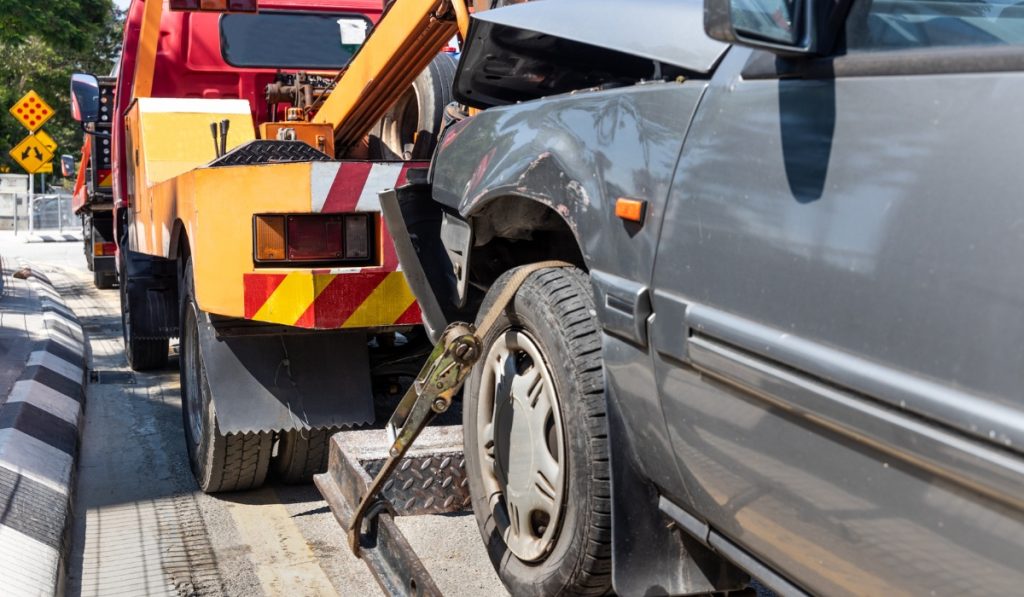
A solid roadside emergency kit checklist covers safety, visibility, basic repairs, and personal needs: reflective triangles or flares, a flashlight with extra batteries, jumper cables, a tire inflator or sealant, a lug wrench, a first-aid kit, gloves, water, snacks, a blanket, and a phone charger. Dedicated Towing and Recovery also recommends keeping insurance info and a small tool kit.
Roadside Emergency Kit Checklist – What to Keep in Your Car
Dedicated Towing and Recovery is a trusted local towing and roadside assistance provider. We help drivers stay safe and prepared during unexpected vehicle breakdowns. Our roadside emergency kit checklist helps you handle common car emergencies, lower risks, and know when to call for our professional help.
A roadside emergency kit solves problems like breakdowns, flat tires, dead batteries, and bad weather. With a car emergency kit ready, you can fix small issues yourself and stay safe until help arrives.
Drivers face risks, especially when a breakdown happens far from home or in poor weather. The best way to prepare is to keep a car emergency kit with tools for flat tires, dead batteries, and weather emergencies. A well-stocked kit lets you do basic fixes, like jump-starting a battery or inflating a tire. It also helps you stay visible and comfortable until help comes.
A roadside emergency kit checklist is organized and regularly checked. Each item is tracked for expiration dates, stored in a waterproof container, and inventoried so nothing is missing or outdated. This way, you replace expired items before they cause problems and keep your kit reliable. Instead of digging through a messy trunk, you have a ready solution that meets car safety needs.
Knowing when to use your kit or call a tow truck matters. If you’re in an unsafe spot, can’t fix the issue, or your car is a hazard, turn on hazard lights and call for roadside assistance. Use your kit for minor fixes like changing a flat tire or jump-starting a battery. For severe weather, low visibility, or mechanical failures you can’t safely fix, call for professional help. Your safety comes first.
How to Build a Kit By Category
- Gather safety supplies: Add reflective triangles, vests, and a flashlight to stay visible.
- Add basic tools: Pack a jack, lug wrench, tire sealant, and tire pressure gauge for repairs.
- Include medical items: Stock a first-aid kit, gloves, and hand sanitizer for minor injuries.
- Prepare for weather: Add a blanket, water, snacks, and rain gear for survival.
- Store documents: Keep insurance cards, registration, emergency contacts, and a phone charger in your glove box.
Safety Check Before You Use Your Kit
Before reaching for any item in your roadside emergency kit, you must verify that the scene is safe. This step ensures you don’t become part of the problem. Even the most complete car emergency kit is useless if you’re injured trying to use it in dangerous conditions. Always prioritize personal safety over vehicle repair.
Step-By-Step Roadside Safety Sequence
When your vehicle breaks down, follow a clear roadside safety sequence. First, steer to the nearest safe location—ideally a flat, wide shoulder away from traffic. Turn off the engine and shift into park (or first gear if manual). Immediately activate your hazard lights to alert other drivers.
Next, assess visibility: if it’s dark, foggy, or rainy, deploy reflective triangles or road flares 50–100 feet behind your car. Put on your reflective vest before exiting the vehicle. Plan your exit: open the door on the passenger side if possible, and step away from traffic. Keep children and pets secured inside unless the vehicle is unsafe.
Traffic and Night Safety Rules
Never stand directly behind or in front of your vehicle on a roadway—this is where drivers are least likely to see you, especially at night. Avoid kneeling between your car and the road during tire changes. Instead, work from the passenger side and stay close to the guardrail or shoulder edge.
At night, use a flashlight with a strobe mode or set up a headlamp to increase visibility. Never turn your back to oncoming traffic. If the breakdown occurs on a curve, uphill, or near an overpass, increase flare distance and stay inside the vehicle until help arrives.
When Not to Attempt a DIY Fix
Do not attempt any roadside repair if you smell fuel, see smoke, or notice fluid leaking under the car—these are signs of fire risk. Similarly, if your vehicle is on a steep incline, in water, or resting on soft ground, it may be unstable. In these cases, exit the vehicle quickly and move to a safe distance uphill or upwind.
Never open the hood if steam or smoke is visible—pressurized coolant or electrical fires can erupt. Your life is more valuable than any repair.
What Not to Keep in Your Kit
- Loose fuel can in the cabin
- Expired flares or sealant
- Aerosol cans stored in direct sunlight or high heat
- Damaged or frayed jumper cables
- Medications past expiration date
What to Add For Winter, Heat, and Long-Distance Driving
A basic roadside emergency kit covers most needs, but special situations call for extra gear. Customizing your kit for weather and trip type keeps you ready for all conditions.
Winter Emergency Kit Add-Ons
- Ice scraper and snow brush – clear ice and snow from windows and mirrors.
- Traction aid (sand, kitty litter, traction mats) – helps free your car if stuck on ice or snow.
- Small shovel – dig out snow or clear a path if blocked.
- Hand warmers and extra gloves – keep your hands warm during long exposure.
- Heavy-duty blanket – adds extra insulation in severe cold.
Extreme Heat Add-Ons
- Extra bottled water – boosts hydration in hot weather.
- Electrolyte packets or sports drinks – replace minerals lost through sweating.
- Sunshade for windshield – lowers inside temperature and sun exposure.
- Cooling towel – helps cool you while waiting for help.
- Lightweight hat – protects you from the sun.
Rural/Long-Distance Add-Ons
- Portable phone charger/power bank – keeps your phone charged in areas with few charging options.
- Paper map (for areas with poor cell service) – helps you find your way when GPS fails.
- Extra fuel (if allowed) – gives you extra range in remote areas.
- Emergency whistle – signals for help if stranded and out of cell range.
- High-visibility marker for roadside signaling – helps rescuers or passing cars see you.
We recommend customizing your roadside emergency kit checklist for seasonal and regional needs.
Where Should You Keep a Roadside Kit in the Car?
Good storage of your car emergency kit boosts safety. Some items must be within reach, while others can stay in the trunk.
Crawl-First Access
- Keep the reflective vest and flashlight in the glove box or center console.
- Store a phone charger and emergency contact list in the cabin.
- Place important documents (insurance and registration) within reach.
Trunk Organization
- Use a labeled storage bin for bigger items in the trunk.
- Pack supplies in waterproof bags to protect from moisture.
- Secure bins with tie-downs to keep them from moving.
Weight and Projectile Control
- Put heavy tools and jacks low in the cargo area.
- Use straps to secure items and keep them from becoming projectiles.
- Check often that all items are properly secured.
Organize your roadside emergency kit checklist so critical items are accessible and safely stored.
How to Use Emergency Kit Checklist During a Breakdown
A roadside emergency kit checklist gives you steps for breakdowns, flat tires, and battery issues. It helps you act safely and protects you and your car in stressful situations.
If You Have a Flat Tire
Move your car to a safe spot, preferably on a level shoulder away from traffic. Turn on your hazard lights. Place wheel chocks behind the tires to prevent rolling. Find the jack points listed in your car manual. Loosen the lug nuts a bit before using the jack.
Change the tire using your kit, making sure you have all the tools—jack, lug wrench, and spare tire. Tighten the lug nuts in a crisscross pattern to secure the wheel.
If the Battery is Dead
Turn off all electronics and find your car’s battery. Connect jumper cables or a portable jump starter in the right order: positive to positive, negative to unpainted metal. Start the car and let it run for several minutes.
Disconnect the cables in reverse order, making sure the clamps don’t touch. Don’t try a jump start if you see smoke or smell fuel. Wait for professional help in these cases.
If You’re Stuck or Disabled in Traffic
Turn on hazard lights and place reflective triangles behind your car. If traffic is heavy or the situation feels unsafe, stay inside your car with your seat belt fastened. Give your exact location and a clear description of the breakdown.
How Often to Check, Replace, and Recharge Kit Items
Maintaining your roadside emergency kit checklist means checking, replacing, and recharging items regularly. A steady schedule keeps your kit ready for breakdowns, flat tires, or dead batteries.
Expiration and Rotation Items
Check expiration dates monthly on water bottles, snacks, and any medicines in your first-aid kit. Replace expired items right away. Restock the first aid kit with bandages, ointments, and any supplies you’ve used. Rotating supplies prevents shortages during an emergency.
Battery and Power Items
Recharge your jump starter and power bank every month. Test your flashlight and replace batteries if the beam is weak. Inspect charging cables for damage and replace if needed. Keeping these items working is important during a dead battery or when you need light for a tire change.
Adhesives and Chemicals
Store tire sealant and aerosol products in a cool, dry place, away from sunlight and extreme heat. Check road flares for expiration and damage. Always follow instructions for storage and use.
What to Pack For City Traffic vs Rural Roads
Adjusting your roadside emergency kit checklist for local road conditions improves readiness. City traffic, rural roads, and towing situations need different supplies and strategies.
City Driving Kit Priorities
- Reflective vest – High-traffic areas need better visibility.
- Reflective triangles – Quick signaling for breakdowns or flat tires.
- Flashlight – Nighttime visibility for repairs and signaling.
- Emergency contact card – Quick access to important phone numbers.
Rural Driving Kit Priorities
- Portable phone charger – Backup for areas with weak cell service.
- Extra blanket and water – Stay warm and hydrated during long breakdowns.
- Traction aid – Get unstuck from mud, snow, or unpaved roads.
- Paper map – Find your way on rural roads with poor GPS coverage.
Towing-Readiness Items
- Vehicle keys and ID – Keep handy for towing.
- Wheel lock key – Needed for tire removal.
- Tow hook location information – Speeds up recovery.
- Insurance and registration documents – Helps roadside assistance.
Customize your roadside emergency kit checklist for your local driving environment and keep towing-readiness items accessible.
Common Mistakes With Car Emergency Kits
Using a roadside emergency kit checklist helps, but mistakes can lower your safety and readiness. Avoid these pitfalls:
- Over-relying on sealants and inflators – Tire sealant and inflators only work on small punctures, not on sidewall damage or big holes. Check the tire’s condition after using any sealant and schedule a repair soon. These products are temporary fixes and shouldn’t replace a spare tire or proper repair.
- Not practicing: missing jack points, missing wheel lock key – Many drivers struggle during a flat tire because they haven’t found their jack points or practiced using the lug wrench. Learn your car’s jack points and keep the wheel lock key with your kit. Check that your spare tire is properly inflated.
- Letting items expire or go missing (inventory discipline) – Supplies like first aid items, batteries, and food can expire or disappear. Inspect your kit often to replace expired or missing items. Keep an updated inventory checklist in your glovebox.
We promote a safety-focused culture. Routine checks and hands-on practice keep your roadside emergency kit checklist reliable.
Keep Your Roadside Emergency Kit Updated
A roadside emergency kit checklist works best when your gear is current, easy to reach, and safe to use. Regular maintenance keeps your kit ready for breakdowns, flats, or dead batteries.
Minimum Set to Build Today
- Put together a reflective vest, flashlight, phone charger, and first-aid kit as your starter kit.
- Store these items in your vehicle cabin for quick access.
These essentials cover most road risks you’ll face.
Monthly Check Routine
- Check your emergency kit monthly for missing, expired, or damaged items.
- Recharge power banks and check battery-powered devices.
- Update your inventory checklist and rotate water and snacks.
This routine keeps your car emergency kit reliable.
When to Wait for Help Instead
- Wait for roadside assistance or a tow truck if you’re in an unsafe spot, like a busy highway shoulder or during bad weather.
- Don’t risk your safety for a DIY fix when conditions are dangerous.
Dedicated Towing and Recovery is available when your roadside emergency kit checklist isn’t enough. Contact us for towing or roadside assistance any time.
Frequently Asked Questions
What should be in a roadside emergency kit checklist for a daily commuter?
A daily commuter’s roadside emergency kit checklist should include reflective triangles, a reflective vest, basic tools for tire changes, a first aid kit, water, snacks, and a phone charger.
What’s the minimum car emergency kit I can keep in my vehicle?
The minimum car emergency kit is a flashlight, phone charger, reflective vest, and basic first aid kit. These cover the most likely emergencies and can be stored in your vehicle’s cabin.
How often should I replace water and snacks in a car emergency kit?
Replace water and snacks every 3–6 months or by their expiration dates. Regular replacement keeps your emergency kit safe and useful during long drives or delays.
Do I need both jumper cables and a jump starter?
Having both jumper cables and a jump starter helps you handle a dead battery. Use a jump starter if no other car is available and jumper cables if someone can help.
Where should I place reflective triangles or flares on the road?
Place reflective triangles or road flares 50–100 feet behind your car, spaced out to alert oncoming traffic. This gives maximum visibility and boosts safety during roadside emergencies.